
The Real Cost (And Power) Of How We Travel
I always take a moment to pause and reflect on our collective love for exploring the globe.
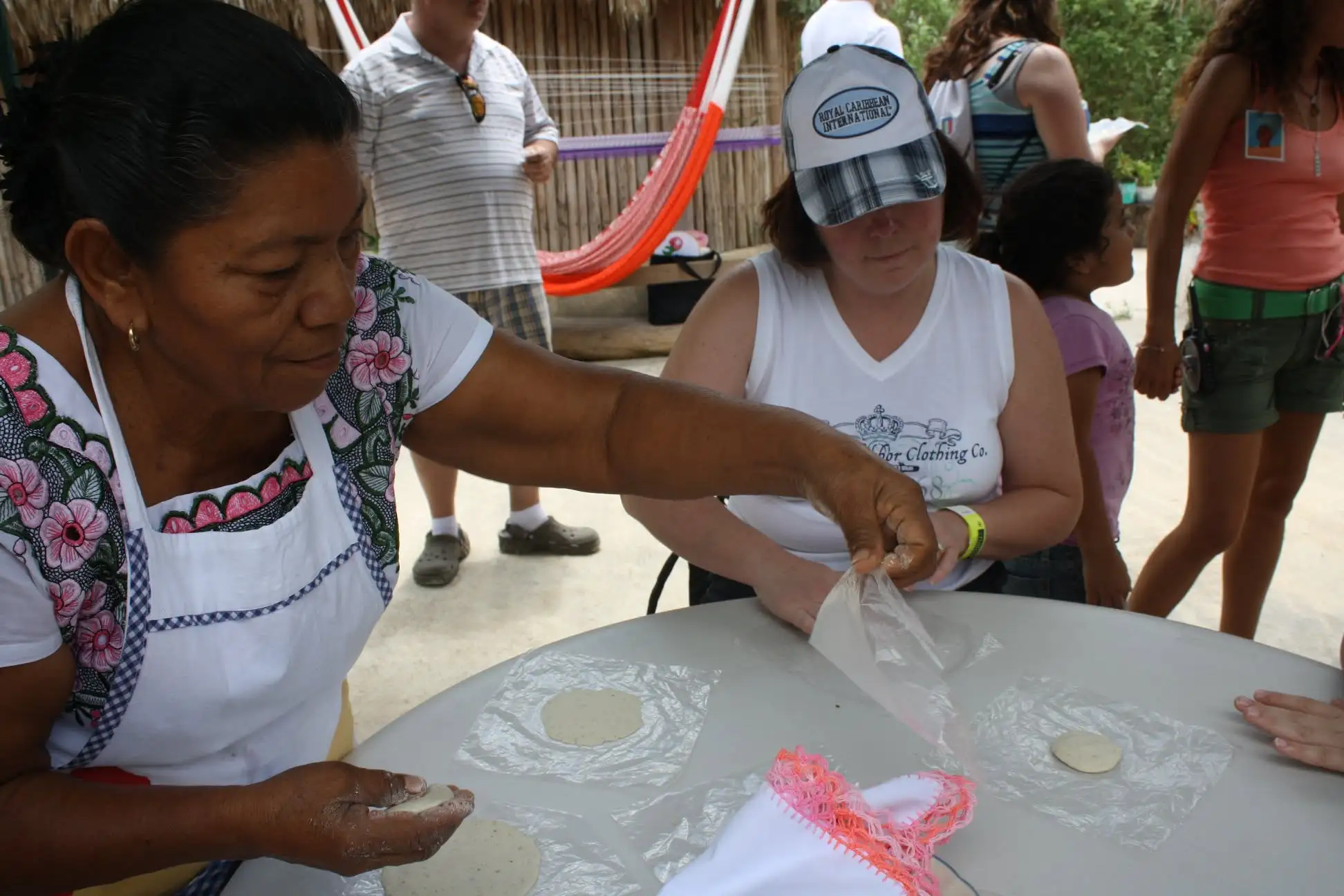
There is so much about travel to celebrate. Over the years, I’ve seen firsthand that travel isn't just about collecting passport stamps or taking scenic photos. When we do it right, it is one of the most powerful engines for cross-cultural connection on the planet. It preserves ancient heritage sites, funds meaningful conservation efforts, and directly supports families and small business owners around the world.
When you choose to stay at a locally owned eco-lodge, hire a neighbourhood guide, or spend your dollars in community-run markets, you are investing directly in the future of that destination. You are voting with your wallet for a world where local cultures are respected, protected, and allowed to thrive.
But, here's the thing: there is a flip side to the coin, one that doesn't always make it onto the glossy vacation brochures.
The Hidden Dangers of Overtourism
One of my all-time favourite films, and a must-watch for anyone who cares deeply about the future of the way we travel, is the documentary The Last Tourist by Bruce Poon Tip. It pulls back the curtain on the global travel industry, challenging us to look squarely at the footprint we leave behind.
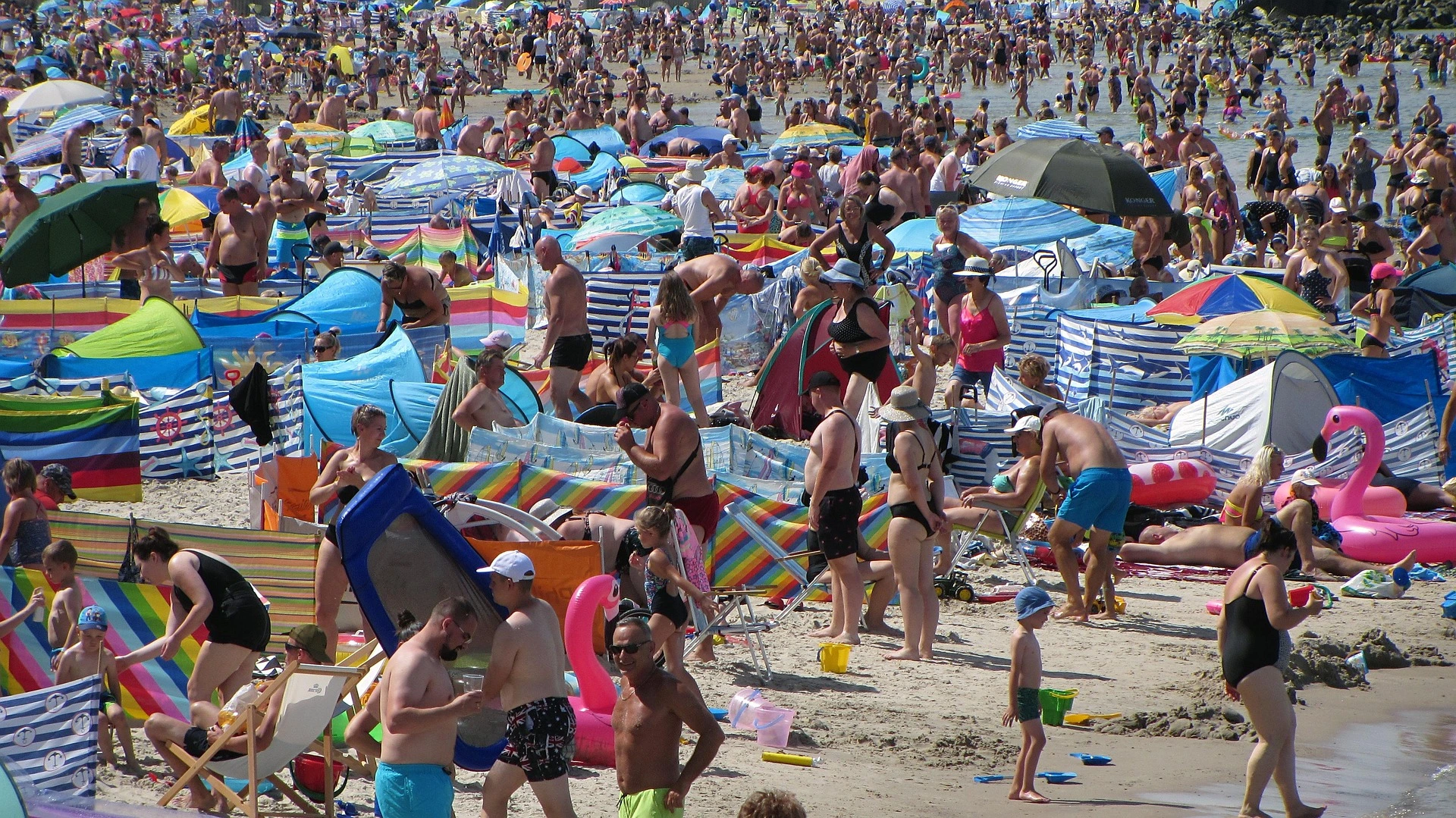
We’ve all seen the viral images: narrow historic streets choked with tour buses, ancient ruins overwhelmed by shuffling crowds, and crystal-clear waters clouded by single-use plastic waste. As the documentary highlights, unchecked mass-market tourism carries a heavy, quiet cost:
mage by Admiral_Lebioda from Pixabay
The Displacement of Locals and Resource Strain: As popular destinations become overrun, housing markets shift entirely toward short-term rentals and speculative development, pricing local families out of the neighbourhoods their ancestors built. Beyond housing, the infrastructure strain of huge, mass-market resorts takes a heavy toll. Massive resort complexes often consume staggering amounts of local resources, draining scarce fresh water supplies and generating immense waste, while local communities face shortages. Proponents often argue that these resorts bring jobs, but too frequently these are low-paying, seasonal positions with little security, while the real economic profits leave the community entirely.
Environmental Fragility: Delicate ecosystems—from coastal reefs to mountain trails—buckle under the sheer volume of foot traffic and waste generation that local infrastructure simply wasn't built to handle.
The Erosion of Authenticity: When destinations cater exclusively to high-volume, mass-market crowds, local traditions can be reduced to commercialized caricatures, stripping away the genuine soul of the place.
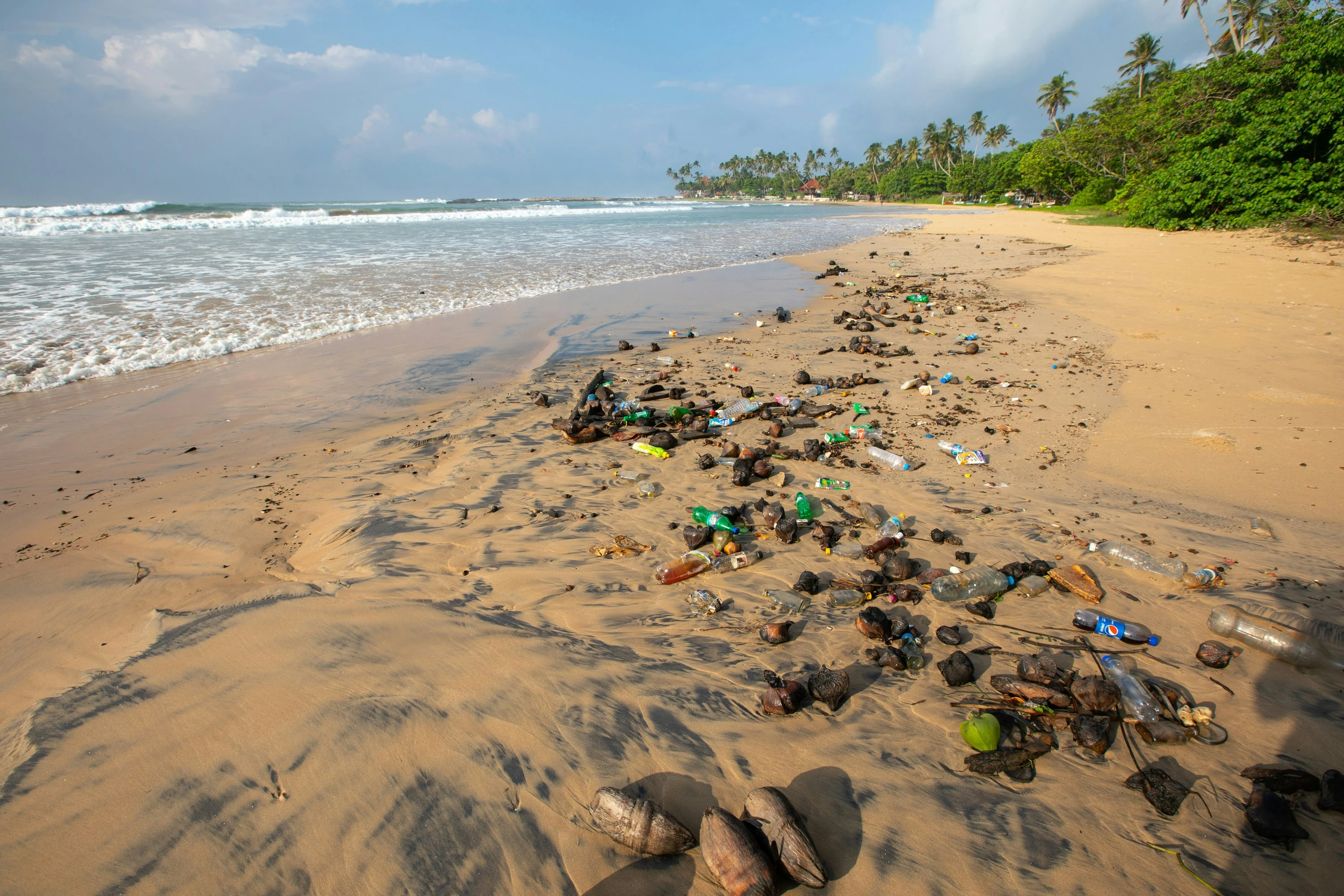
Photo by Sebastian Latorre on Unsplash
The Shift Toward Intentional Travel
The good news is that we don't have to stop exploring to protect the world. We just have to change how and when we explore.
Redesigning travel doesn't mean relying on high-tech gadgets; it means returning to a more mindful, human-centric approach:
Think about Shoulder and Low-Season Travel: Shifting away from peak summer crowds is one of the most impactful choices we can make. Travelling in the quieter months distributes economic benefits more evenly throughout the year, eases the crushing strain on local infrastructure, and lets destinations return to their natural rhythms. Plus, you get a much more authentic, peaceful experience without the heatwaves and heavy congestion.
Practice Slow Travel: Instead of rushing through three countries in a week, stay longer in one place. Slow travel lowers your carbon footprint, reduces the frantic rush on local transit, and allows you to build genuine connections with the people who call the place home.
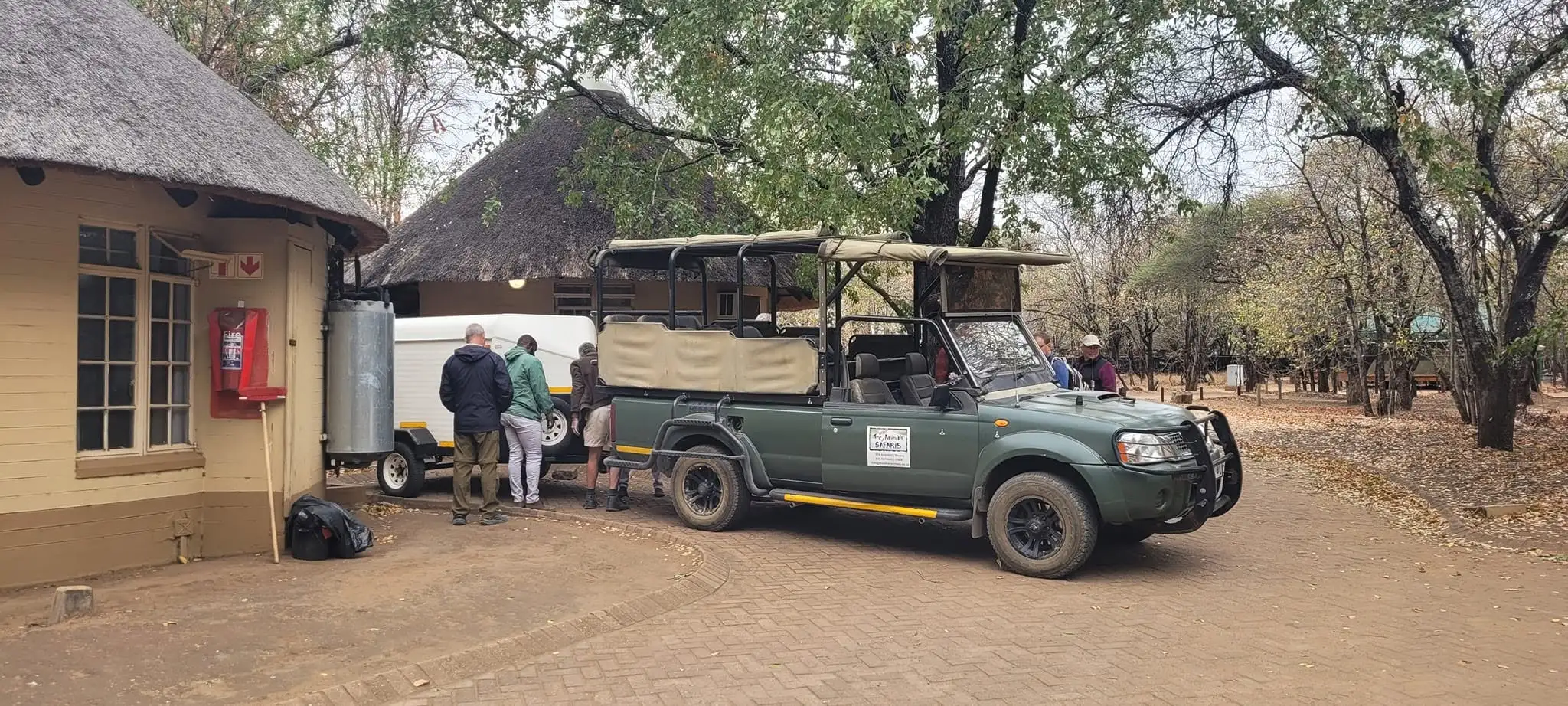
Prioritize Local: Seek out small-group guides, family-run accommodations, and independent operators who are deeply rooted in their communities rather than massive, all-inclusive compounds.
Travel as a Force for Good
Tourism has the extraordinary ability to foster empathy, open our eyes to new perspectives, and protect the very wonders we cross oceans to see. But it requires intention.
Let's choose experiences that give back more than they take, protect local communities, and leave the places we visit just as vibrant as we found them.
By: Heather Folkins, Meaningful Travel Specialist