
What I've Learned Watching Elephants In The Wild
I first understood what a watering hole means to elephants at Hwange, in Zimbabwe, from the deck of a small lodge that looks straight out over one of the park's waterholes. You sit down before the sun starts to drop, and you wait. Before long, they start coming in, moving in that unhurried way elephants have when they aren't being pressed for time. It's a good vantage point: close enough to watch individual behavior, far enough to just observe rather than intrude.
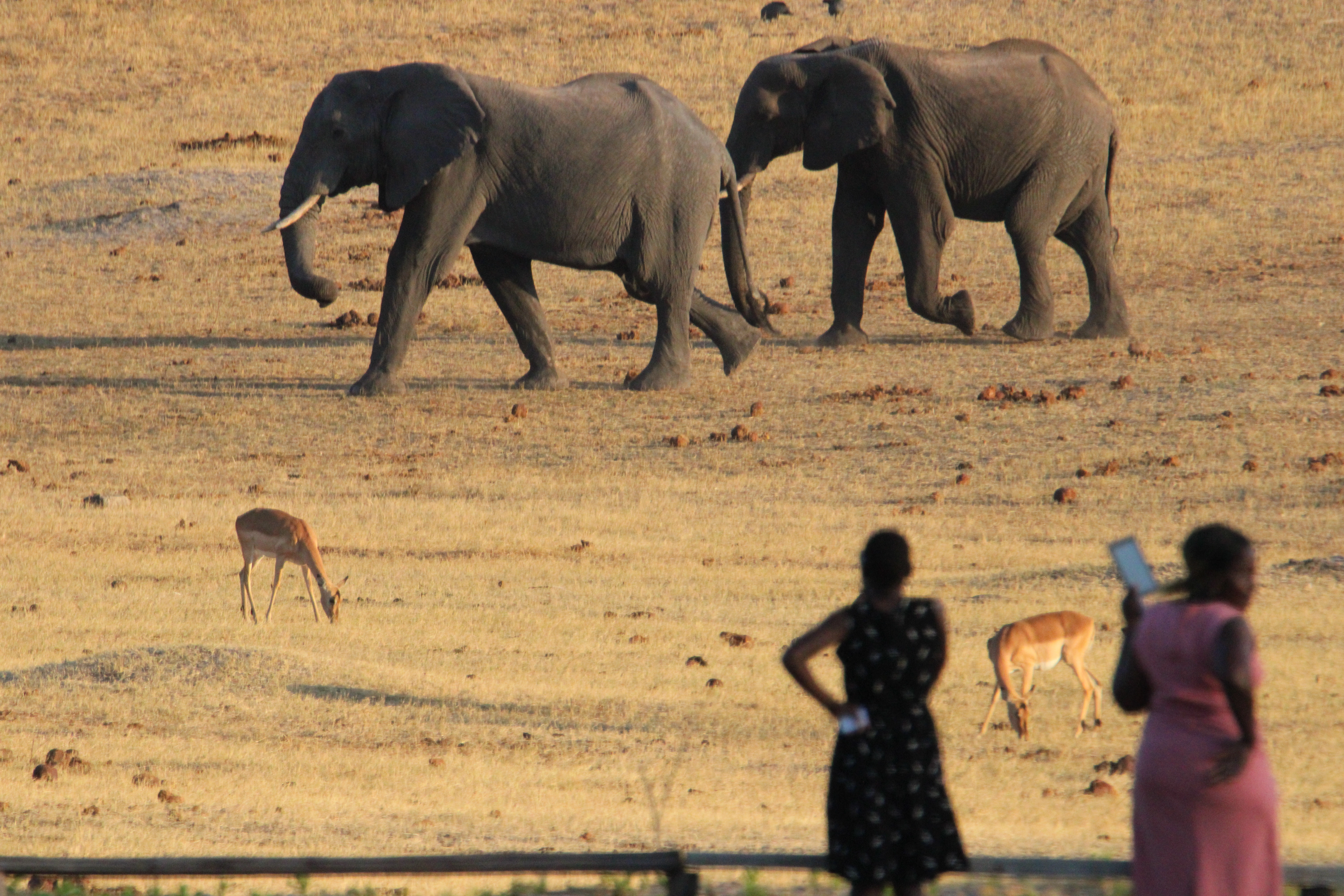
I've watched wildlife from a lot of vantage points on my 2 trips to Africa, and Hwange remains one of my favorites for elephants specifically. The herds come to drink, the calves stay close to the adults, and there's a rhythm to it that's genuinely worth sitting still for. You stop reaching for your camera after a while and just watch. It's a useful reset for understanding how elephant families actually move and interact.
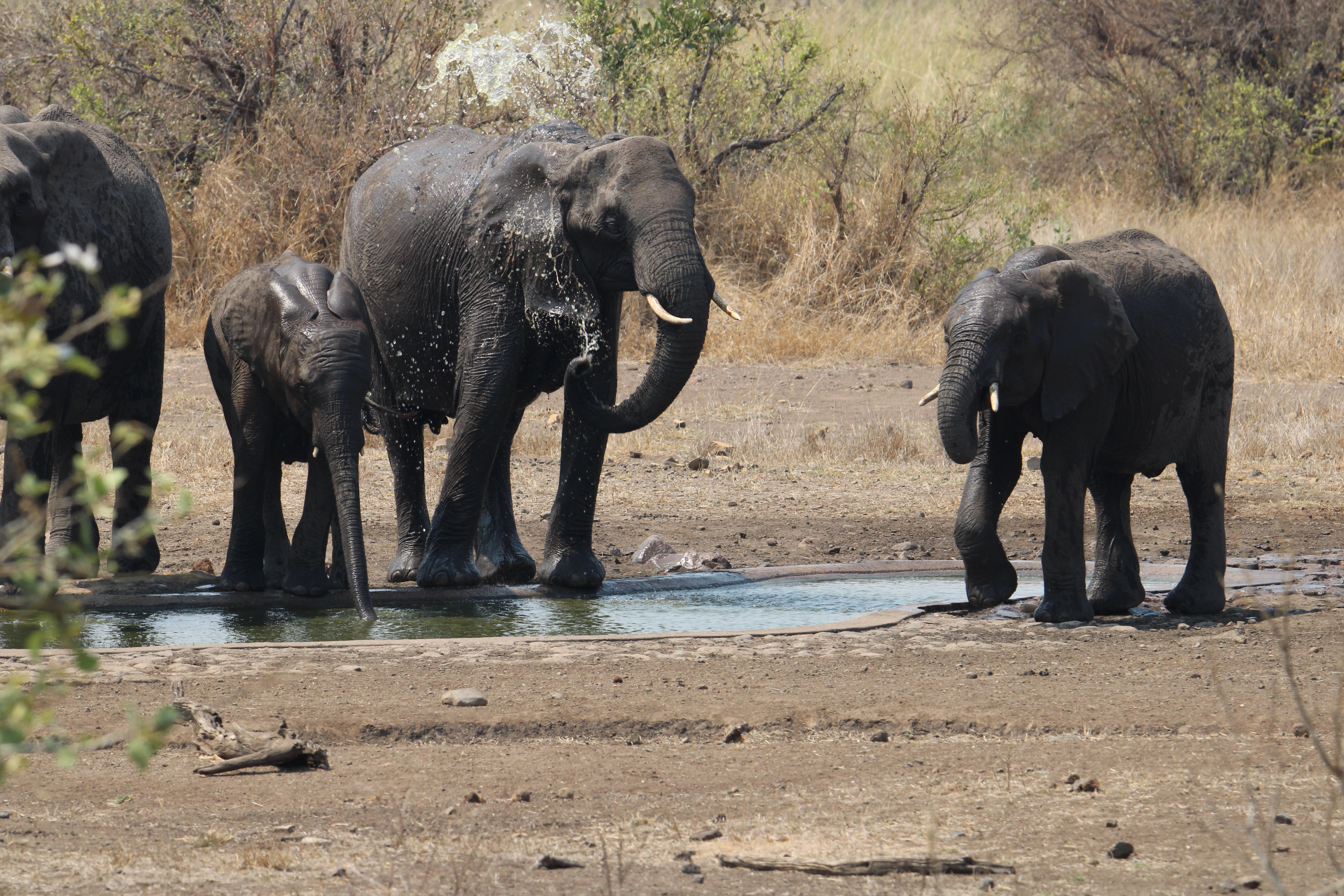
Botswana gave me a different kind of encounter. We were camped in the Okavango Delta, that network of channels and floodplains that floods seasonally with water arriving from the highlands of Angola. The elephants there keep less distance than they do in some other areas. One afternoon a small herd passed right by our camp, grazing and largely unbothered by our presence. A young calf wandered toward our friend's tent right up behind him without him even noticing. It was amazing to just stand there and watch it happen. Our friend then turned around and the baby went on his way, back to mom. It's a different experience than viewing elephants from a vehicle at a distance, and one I still think about.
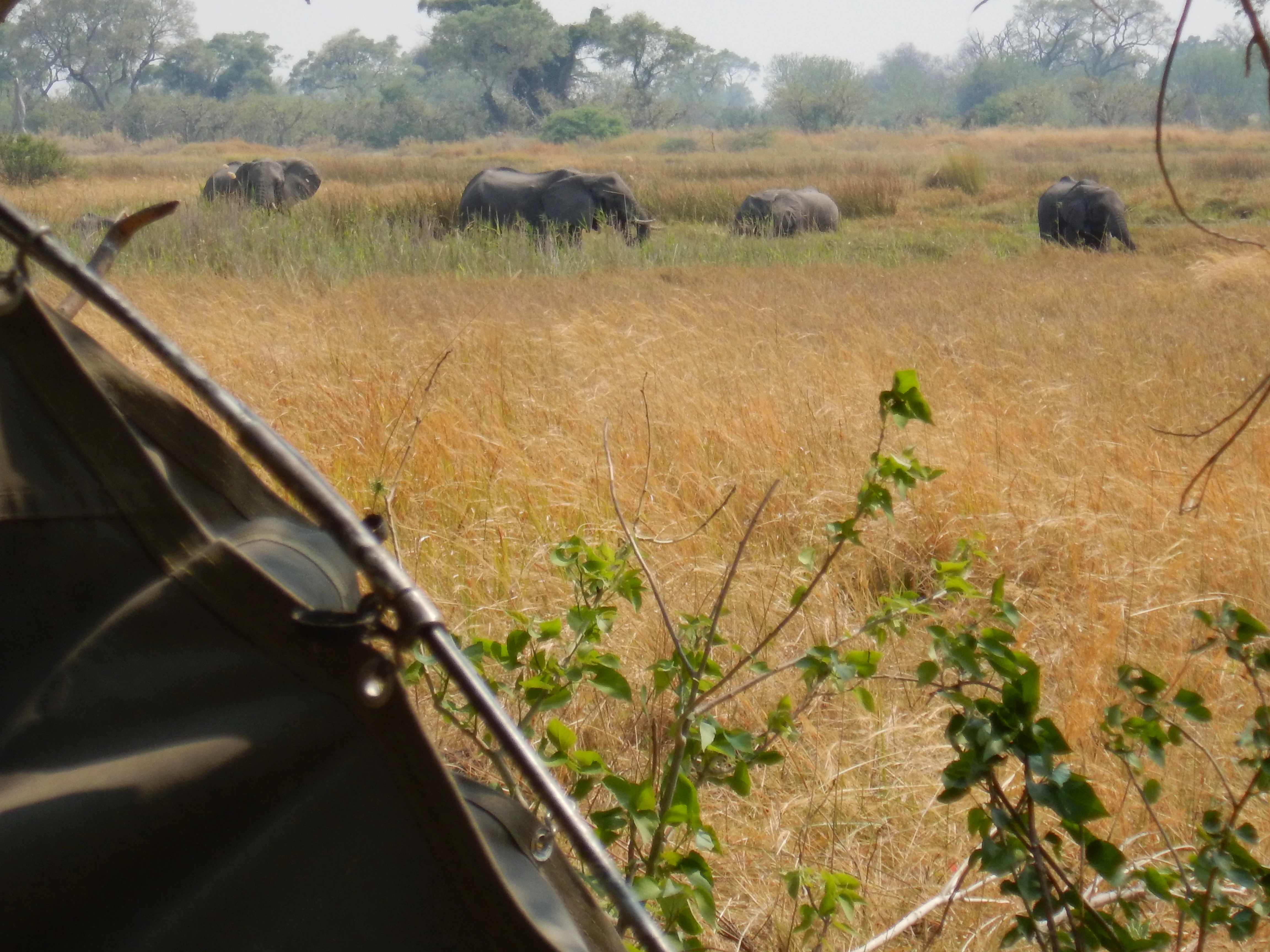
I mention both of these because I think it's easy, between nature documentaries and stock photography, to forget that elephants are not an abstraction. They live in matriarchal family groups with long memories and real social bonds. That's harder to appreciate secondhand. Seeing it directly, in the heat and dust of the actual landscape, changes how you understand it.
Africa isn't the only place to have this kind of experience. Sri Lanka has some of the highest densities of wild elephants anywhere, and parks like Udawalawe and Minneriya offer sightings that are almost guaranteed, often against a backdrop of rice paddies and reservoirs quite different from the African bush. Borneo has its own version, the pygmy elephants of Sabah, a smaller, rounder-eared subspecies found along the Kinabatangan River. Seeing them move through the rainforest, often from a boat, is a reminder of how differently elephants have adapted depending on where they've ended up.
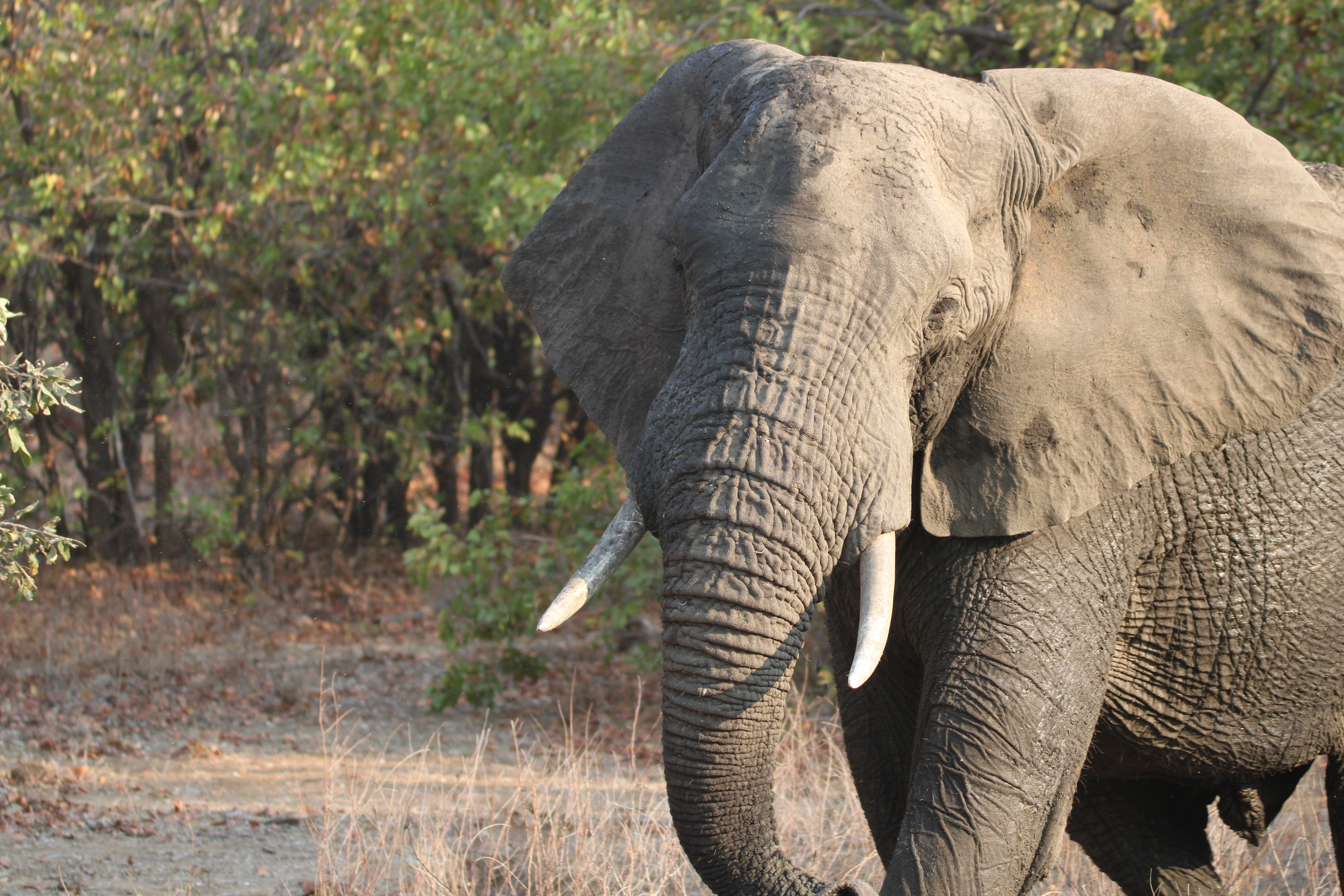
Today is World Elephant Day, and it's worth noting that none of this is guaranteed to last. Wild elephant populations across Africa have faced sustained pressure for decades, from poaching to the ongoing loss of land needed for migration. Places like Hwange and the Okavango have held onto healthy elephant populations largely because communities, conservancies, and responsible operators have made conservation economically viable. Travellers who choose well-run lodges, local guides, and operators that reinvest in the land are part of what keeps that support in place.
If seeing this firsthand is something you've been considering, I'm happy to help you plan it. Get in touch, and we can talk through where would suit you best.