
The Mindful Palate: Culinary Joys of Travel
There is a distinct moment when a destination shifts from a place you are simply visiting to a place you truly begin to understand. More often than not, that moment happens over a shared meal.
Food and wine are living expressions of geography, history, and culture. A slow-simmered regional stew carries the memory of generations who perfected it using whatever was growing just outside their doorstep. A glass of low-intervention wine tells the story of a region’s rainfall, soil, and agricultural care.
When travel is designed around culinary heritage, a trip transforms into a deeper conversation with the land and its people. Beyond the surface of famous restaurants lies a world of quiet vineyards, neighbourhood markets, and rural kitchens where food still moves at its natural, seasonal pace.
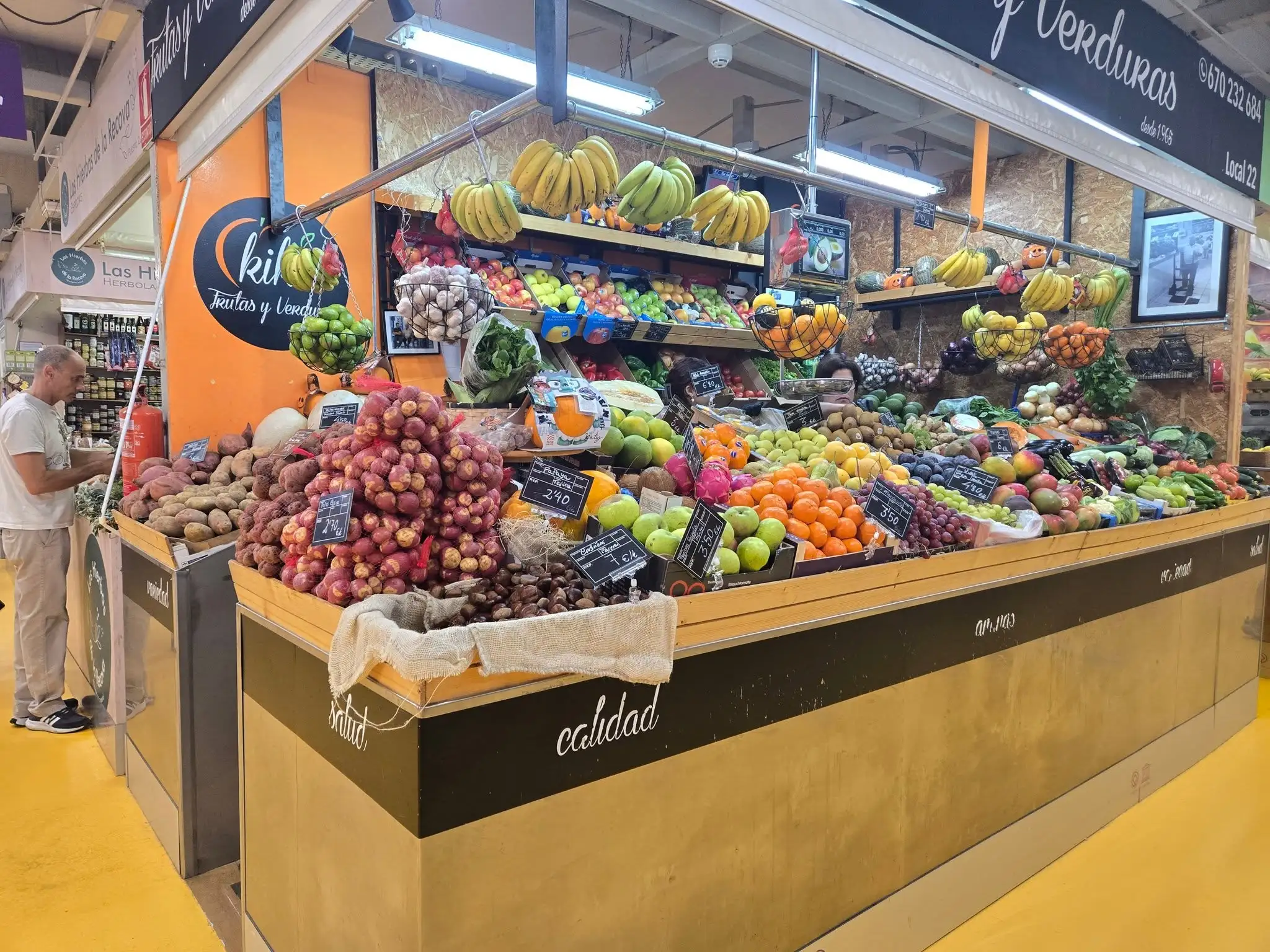
Tenerife Market 2025
The Beauty of Small-Group Culinary Journeys
There is sometimes a misconception that group culinary travel means crowded tour buses and standardized, mass-produced meals. In reality, the landscape of food-focused travel has evolved into something far more intimate and meaningful.
Thoughtfully curated, small-group culinary itineraries—often hosted by local guides or independent regional experts—offer a bridge into places that are otherwise difficult to access. In rural valleys or historic villages where language barriers and logistics can be complex, these smaller journeys create effortless connections:
Unlocking Hidden Kitchens: Smaller groups can slip into family-run bakeries, private home kitchens, and generational agricultural estates that simply cannot host large crowds.
Direct Community Flourishing: When travel centres on small-scale partnerships, the economic benefits remain directly within the host community, supporting local farmers, market vendors, and independent vintners.
Storytelling at the Table: Having a local host alongside the meal adds context to every bite—explaining the origin of a spice, the timing of a harvest, or the heritage behind a traditional cooking method.
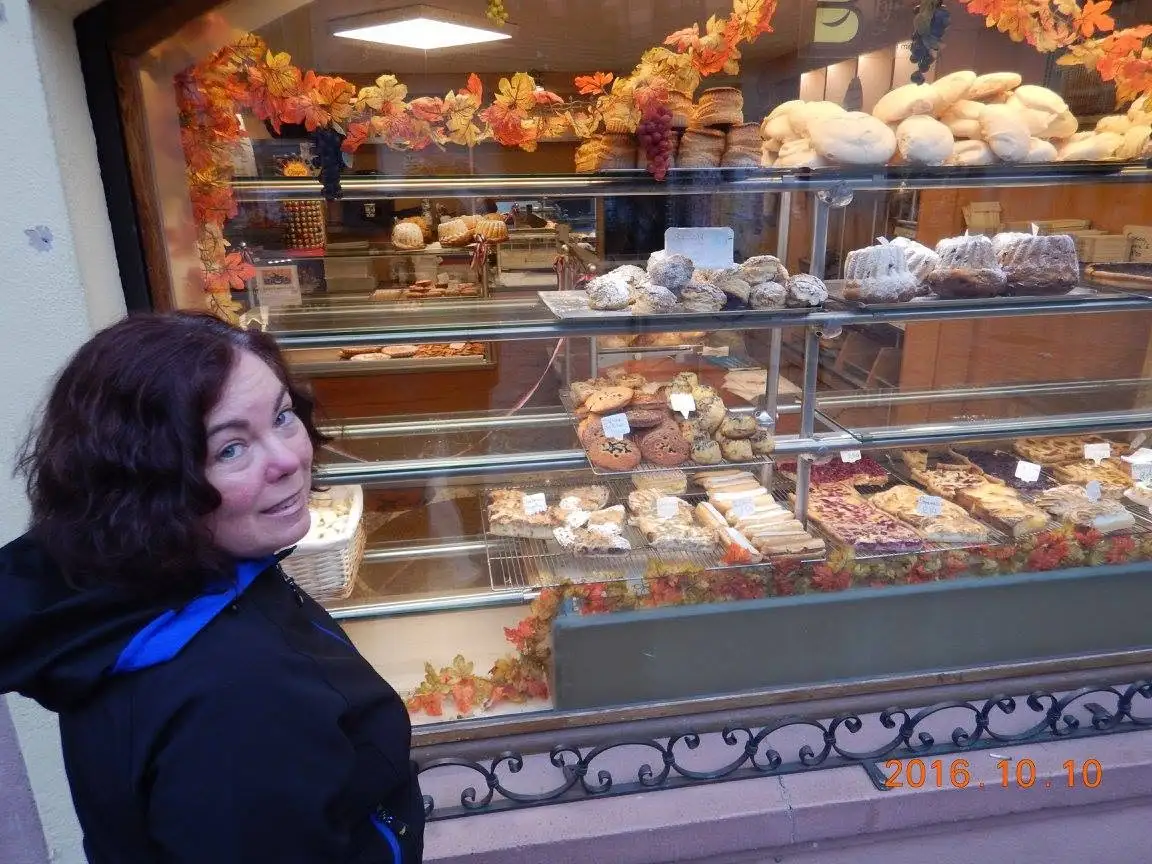
Bakery in Kaysersburg, France, 2010
Celebrating Small-Scale & Biodynamic Viticulture
The soul of a region’s wine culture rarely lives in mega-scale commercial tasting rooms. Instead, it flourishes in the smaller valleys, hillside plots, and family-run cellars where winemaking remains an art of patience.
Around the world, small-scale producers and biodynamic cooperatives are preserving ancient techniques and indigenous grape varieties. Whether it is tasting natural wines aged in subterranean clay vessels (qvevri) in Georgia or sipping small-batch mezcal from ancestral palenques in Oaxaca, these experiences honour soil health, low-intervention farming, and land stewardship. Sitting down with the families who tended the vines throughout the season offers a perspective on wine that no bottled label can replicate.
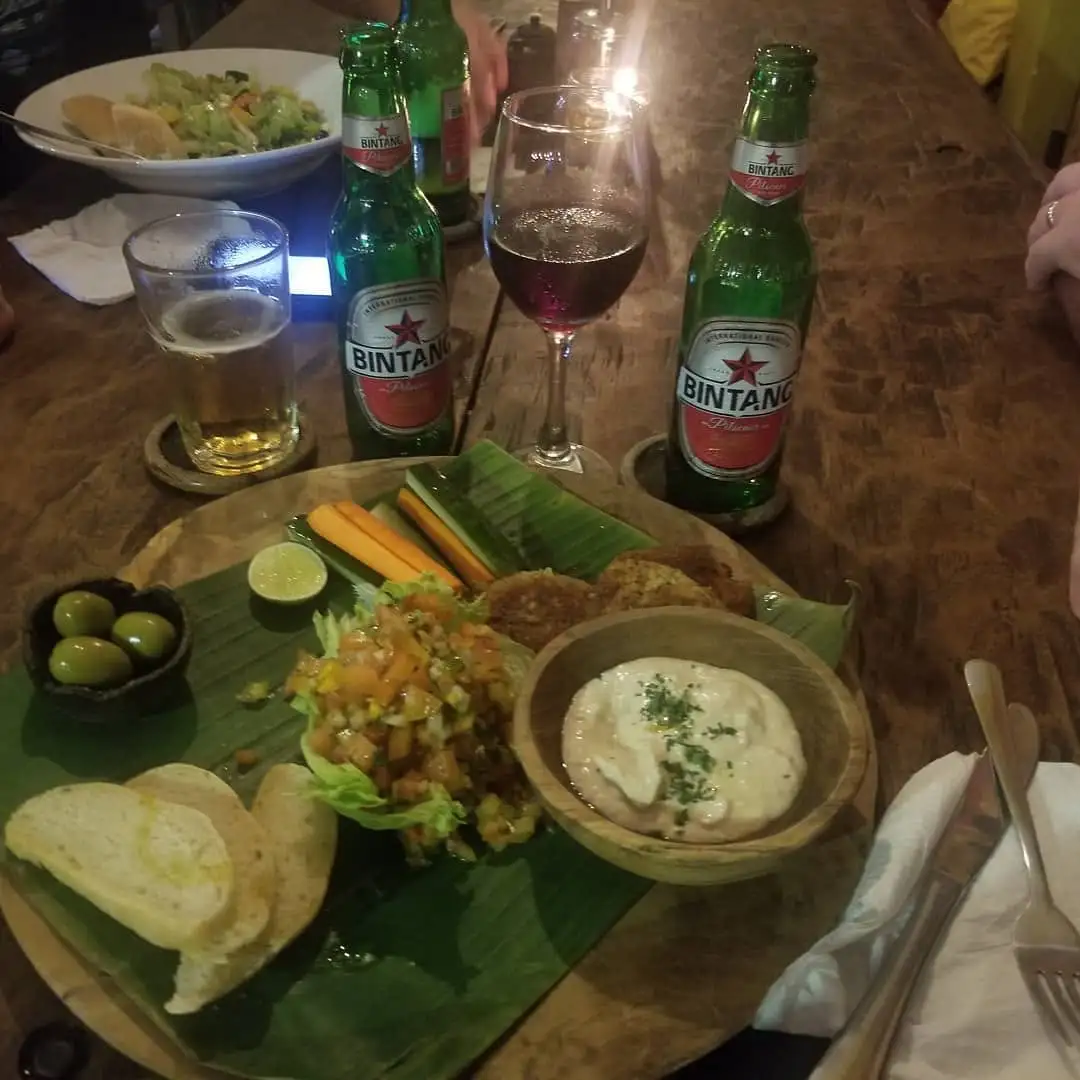
Vegetarian Plate - Vespa Cafe, Ubud, Bali - 2020
Honouring Ancestral Flavours & True Seasonality
Food is living history made tangible. Across the globe, traditional dishes were forged out of necessity, microclimates, and cultural pride.
A mindful approach to culinary travel steps away from modern, standardized menus to embrace the natural rhythm of the land:
Eating with the Seasons: True farm-to-table dining means menus shift daily based on the morning harvest, coastal tidepools, or forest foraging.
Learning the Craft: Immersive sessions with village cooks or neighbourhood artisans offer a window into centuries-old techniques like slow fermentation, stone-grinding native grains, or curing local herbs.
Respecting Origin: Recognizing the history behind iconic recipes deepens our connection to the culture long after the meal ends.
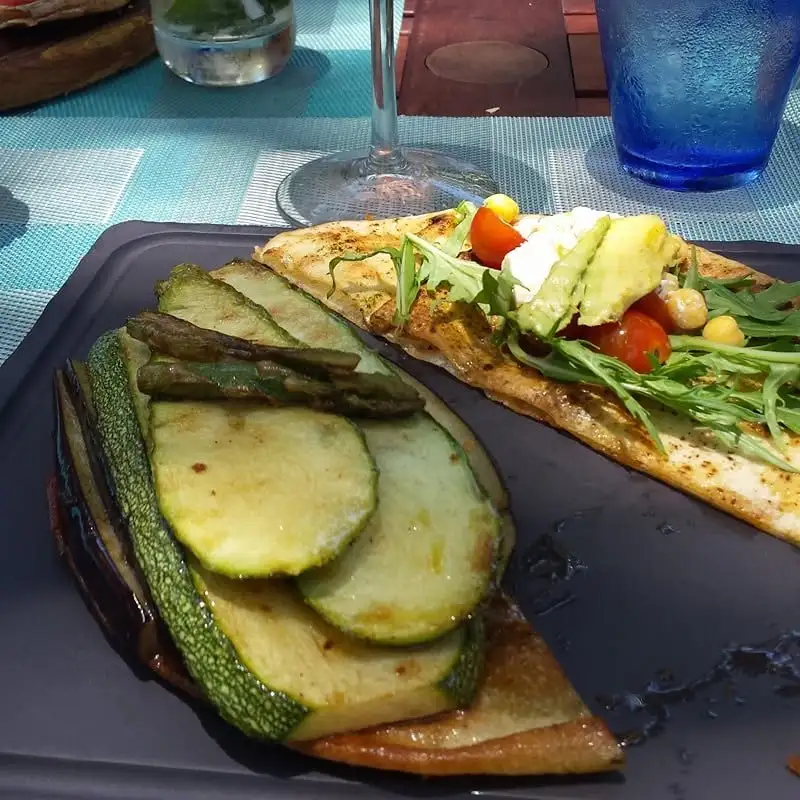
Veggie ""burger"—Riviera Maya 2016
A Richer Way to See the World
Travelling through food and wine isn't about chasing exclusive reservations or checking off famous wine labels. It is about slowing down, pulling up a chair, and honouring the care, heritage, and human connection behind every plate and glass. When we travel with an open mind and a curious palate, every meal becomes a memory that stays with us long after we return home.
There is a distinct moment when a destination shifts from a place you are simply visiting to a place you truly begin to understand. More often than not, that moment happens over a shared meal.
Food and wine are living expressions of geography, history, and culture. A slow-simmered regional stew carries the memory of generations who perfected it using whatever was growing just outside their doorstep. A glass of low-intervention wine tells the story of a region’s rainfall, soil, and agricultural care.
When travel is designed around culinary heritage, a trip transforms into a deeper conversation with the land and its people. Beyond the surface of famous restaurants lies a world of quiet vineyards, neighborhood markets, and rural kitchens where food still moves at its natural, seasonal pace.
The Beauty of Small-Group Culinary Journeys
There is sometimes a misconception that group culinary travel means crowded tour buses and standardized, mass-produced meals. In reality, the landscape of food-focused travel has evolved into something far more intimate and meaningful.
Thoughtfully curated, small-group culinary itineraries—often hosted by local guides or independent regional experts—offer a bridge into places that are otherwise difficult to access. In rural valleys or historic villages where language barriers and logistics can be complex, these smaller journeys create effortless connections:
Unlocking Hidden Kitchens: Smaller groups can slip into family-run bakeries, private home kitchens, and generational agricultural estates that simply cannot host large crowds.
Direct Community Flourishing: When travel centers on small-scale partnerships, the economic benefits remain directly within the host community, supporting local farmers, market vendors, and independent vintners.
Storytelling at the Table: Having a local host alongside the meal adds context to every bite—explaining the origin of a spice, the timing of a harvest, or the heritage behind a traditional cooking method.
Celebrating Small-Scale & Biodynamic Viticulture
The soul of a region’s wine culture rarely lives in mega-scale commercial tasting rooms. Instead, it flourishes in the smaller valleys, hillside plots, and family-run cellars where winemaking remains an art of patience.
Around the world, small-scale producers and biodynamic cooperatives are preserving ancient techniques and indigenous grape varieties. Whether it is tasting natural wines aged in subterranean clay vessels (qvevri) in Georgia or sipping small-batch mezcal from ancestral palenques in Oaxaca, these experiences honor soil health, low-intervention farming, and land stewardship. Sitting down with the families who tended the vines throughout the season offers a perspective on wine that no bottled label can replicate.
Honoring Ancestral Flavors & True Seasonality
Food is living history made tangible. Across the globe, traditional dishes were forged out of necessity, microclimates, and cultural pride.
A mindful approach to culinary travel steps away from modern, standardized menus to embrace the natural rhythm of the land:
Eating with the Seasons: True farm-to-table dining means menus shift daily based on the morning harvest, coastal tidepools, or forest foraging.
Learning the Craft: Immersive sessions with village cooks or neighborhood artisans offer a window into centuries-old techniques like slow fermentation, stone-grinding native grains, or curing local herbs.
Respecting Origin: Recognizing the history behind iconic recipes deepens our connection to the culture long after the meal ends.
Inspirations for the Culinary Traveler
For those dreaming of journeys rooted in flavor and community, destinations around the world offer remarkable ways to experience culture through taste:
A Richer Way to See the World
Traveling through food and wine isn't about chasing exclusive reservations or checking off famous wine labels. It is about slowing down, pulling up a chair, and honoring the care, heritage, and human connection behind every plate and glass. When we travel with an open mind and a curious palate, every meal becomes a memory that stays with us long after we return home.
There is a distinct moment when a destination shifts from a place you are simply visiting to a place you truly begin to understand. More often than not, that moment happens over a shared meal.
Food and wine are living expressions of geography, history, and culture. A slow-simmered regional stew carries the memory of generations who perfected it using whatever was growing just outside their doorstep. A glass of low-intervention wine tells the story of a region’s rainfall, soil, and agricultural care.
When travel is designed around culinary heritage, a trip transforms into a deeper conversation with the land and its people. Beyond the surface of famous restaurants lies a world of quiet vineyards, neighborhood markets, and rural kitchens where food still moves at its natural, seasonal pace.
The Beauty of Small-Group Culinary Journeys
There is sometimes a misconception that group culinary travel means crowded tour buses and standardized, mass-produced meals. In reality, the landscape of food-focused travel has evolved into something far more intimate and meaningful.
Thoughtfully curated, small-group culinary itineraries—often hosted by local guides or independent regional experts—offer a bridge into places that are otherwise difficult to access. In rural valleys or historic villages where language barriers and logistics can be complex, these smaller journeys create effortless connections:
Unlocking Hidden Kitchens: Smaller groups can slip into family-run bakeries, private home kitchens, and generational agricultural estates that simply cannot host large crowds.
Direct Community Flourishing: When travel centers on small-scale partnerships, the economic benefits remain directly within the host community, supporting local farmers, market vendors, and independent vintners.
Storytelling at the Table: Having a local host alongside the meal adds context to every bite—explaining the origin of a spice, the timing of a harvest, or the heritage behind a traditional cooking method.
Celebrating Small-Scale & Biodynamic Viticulture
The soul of a region’s wine culture rarely lives in mega-scale commercial tasting rooms. Instead, it flourishes in the smaller valleys, hillside plots, and family-run cellars where winemaking remains an art of patience.
Around the world, small-scale producers and biodynamic cooperatives are preserving ancient techniques and indigenous grape varieties. Whether it is tasting natural wines aged in subterranean clay vessels (qvevri) in Georgia or sipping small-batch mezcal from ancestral palenques in Oaxaca, these experiences honor soil health, low-intervention farming, and land stewardship. Sitting down with the families who tended the vines throughout the season offers a perspective on wine that no bottled label can replicate.
Honoring Ancestral Flavors & True Seasonality
Food is living history made tangible. Across the globe, traditional dishes were forged out of necessity, microclimates, and cultural pride.
A mindful approach to culinary travel steps away from modern, standardized menus to embrace the natural rhythm of the land:
Eating with the Seasons: True farm-to-table dining means menus shift daily based on the morning harvest, coastal tidepools, or forest foraging.
Learning the Craft: Immersive sessions with village cooks or neighborhood artisans offer a window into centuries-old techniques like slow fermentation, stone-grinding native grains, or curing local herbs.
Respecting Origin: Recognizing the history behind iconic recipes deepens our connection to the culture long after the meal ends.
Inspirations for the Culinary Traveler
For those dreaming of journeys rooted in flavor and community, destinations around the world offer remarkable ways to experience culture through taste:
A Richer Way to See the World
Traveling through food and wine isn't about chasing exclusive reservations or checking off famous wine labels. It is about slowing down, pulling up a chair, and honoring the care, heritage, and human connection behind every plate and glass. When we travel with an open mind and a curious palate, every meal becomes a memory that stays with us long after we return home.
There is a distinct moment when a destination shifts from a place you are simply visiting to a place you truly begin to understand. More often than not, that moment happens over a shared meal.
Food and wine are living expressions of geography, history, and culture. A slow-simmered regional stew carries the memory of generations who perfected it using whatever was growing just outside their doorstep. A glass of low-intervention wine tells the story of a region’s rainfall, soil, and agricultural care.
When travel is designed around culinary heritage, a trip transforms into a deeper conversation with the land and its people. Beyond the surface of famous restaurants lies a world of quiet vineyards, neighborhood markets, and rural kitchens where food still moves at its natural, seasonal pace.
The Beauty of Small-Group Culinary Journeys
There is sometimes a misconception that group culinary travel means crowded tour buses and standardized, mass-produced meals. In reality, the landscape of food-focused travel has evolved into something far more intimate and meaningful.
Thoughtfully curated, small-group culinary itineraries—often hosted by local guides or independent regional experts—offer a bridge into places that are otherwise difficult to access. In rural valleys or historic villages where language barriers and logistics can be complex, these smaller journeys create effortless connections:
Unlocking Hidden Kitchens: Smaller groups can slip into family-run bakeries, private home kitchens, and generational agricultural estates that simply cannot host large crowds.
Direct Community Flourishing: When travel centers on small-scale partnerships, the economic benefits remain directly within the host community, supporting local farmers, market vendors, and independent vintners.
Storytelling at the Table: Having a local host alongside the meal adds context to every bite—explaining the origin of a spice, the timing of a harvest, or the heritage behind a traditional cooking method.
Celebrating Small-Scale & Biodynamic Viticulture
The soul of a region’s wine culture rarely lives in mega-scale commercial tasting rooms. Instead, it flourishes in the smaller valleys, hillside plots, and family-run cellars where winemaking remains an art of patience.
Around the world, small-scale producers and biodynamic cooperatives are preserving ancient techniques and indigenous grape varieties. Whether it is tasting natural wines aged in subterranean clay vessels (qvevri) in Georgia or sipping small-batch mezcal from ancestral palenques in Oaxaca, these experiences honor soil health, low-intervention farming, and land stewardship. Sitting down with the families who tended the vines throughout the season offers a perspective on wine that no bottled label can replicate.
Honoring Ancestral Flavors & True Seasonality
Food is living history made tangible. Across the globe, traditional dishes were forged out of necessity, microclimates, and cultural pride.
A mindful approach to culinary travel steps away from modern, standardized menus to embrace the natural rhythm of the land:
Eating with the Seasons: True farm-to-table dining means menus shift daily based on the morning harvest, coastal tidepools, or forest foraging.
Learning the Craft: Immersive sessions with village cooks or neighborhood artisans offer a window into centuries-old techniques like slow fermentation, stone-grinding native grains, or curing local herbs.
Respecting Origin: Recognizing the history behind iconic recipes deepens our connection to the culture long after the meal ends.
Inspirations for the Culinary Traveler
For those dreaming of journeys rooted in flavor and community, destinations around the world offer remarkable ways to experience culture through taste:
A Richer Way to See the World
Traveling through food and wine isn't about chasing exclusive reservations or checking off famous wine labels. It is about slowing down, pulling up a chair, and honoring the care, heritage, and human connection behind every plate and glass. When we travel with an open mind and a curious palate, every meal becomes a memory that stays with us long after we return home.