
How a Tiger Taught Me What Responsible Travel Really Means
When I booked my trip to Thailand, I was eager to experience everything, the culture, the food, the wildlife. I'd done my research, read countless reviews, and ticked off the typical tourist checklist. One attraction kept coming up: a tiger sanctuary that seemed to have mostly positive feedback.
I was skeptical, but I made a decision that changed everything: I would visit it myself. My reasoning was simple, if I experienced it firsthand, I could give my clients educated advice based on real knowledge, not assumptions.
I regretted that decision almost as soon as I walked through the gates.
What I Saw Behind the Scenes
On the surface, the tigers appeared well-fed and healthy. But something was deeply wrong. The tigers that interacted with tourists were completely lifeless, their eyes vacant, their spirit dimmed. The isolated tigers paced endlessly in small enclosures, trapped in repetitive loops that broke my heart.
I realized then that "feed and being kept alive" and "thriving and having a quality of life" are not the same thing.
The tigers weren't living. They were existing. And I had paid money to be part of that reality.
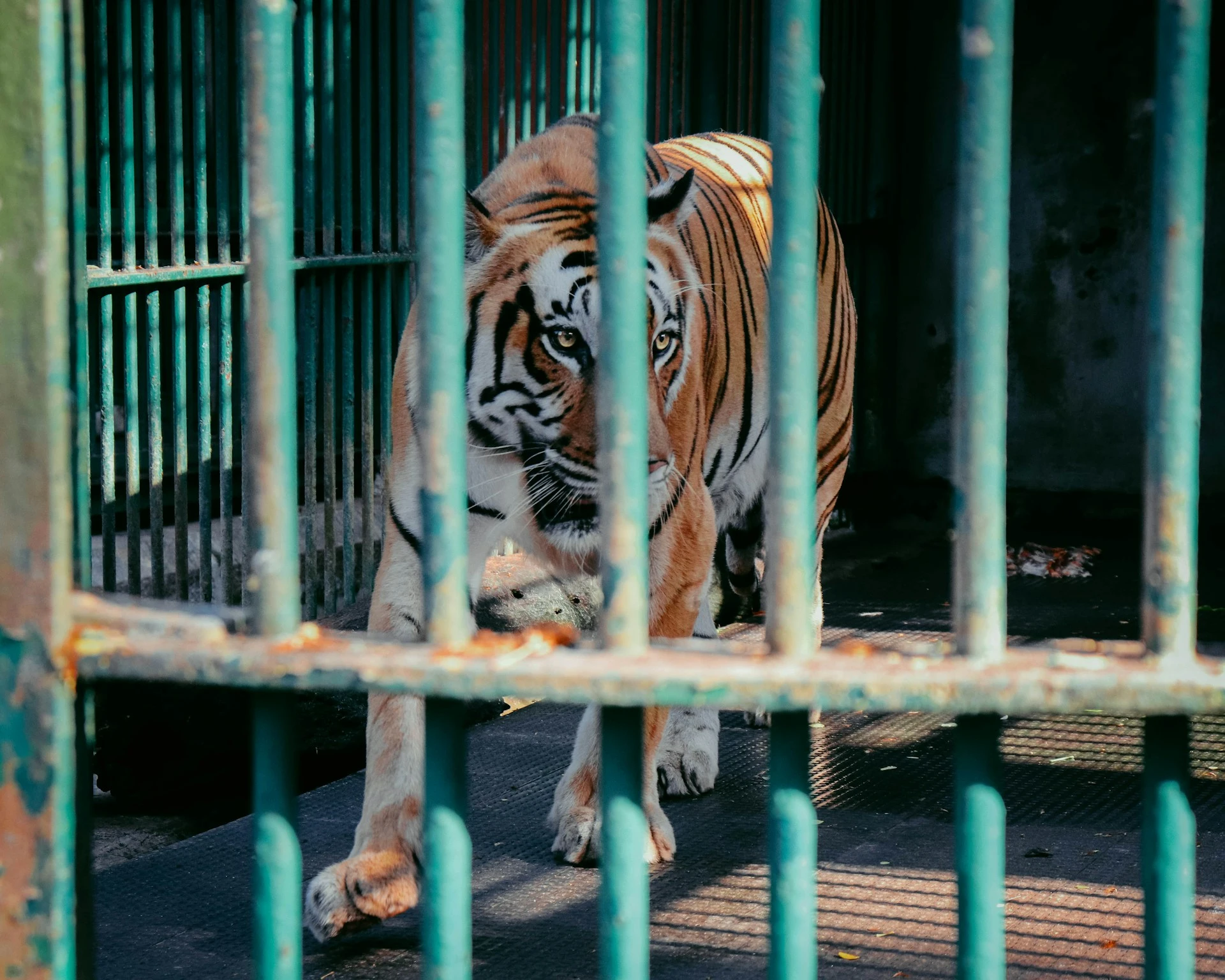
Photo by Joel George on Unsplash
The "Sanctuary" Deception: What You Need to Know
Here's something that might shock you: the word "sanctuary" is not regulated. This means anyone can slap "sanctuary" or "rescue" on their sign and call themselves ethical. Even if they're running an exploitative operation.
That tiger facility I visited in Thailand? It marketed itself as such. The website used emotional language about saving tigers. The reviews looked good. But behind those marketing claims was a business model built on profit, not compassion.
The Global Federation of Animal Sanctuaries, is the only globally recognized accrediting body that sets real standards for what constitutes a legitimate sanctuary. True GFAS-accredited sanctuaries follow strict ethical guidelines: No Breed, No Contact, No Buy/Sell. This means:
They do not breed animals for captivity (breeding doesn't support wild conservation—a tiger born in a cage will never be released into the wild)
They do not allow public contact or "petting" with wild animals. While it isn't always the case, often direct contact is a massive red flag for exploitation.
They do not buy, sell, or trade animals with other facilities or private owners
They provide lifelong care to rescued animals, never removing them for entertainment or profit
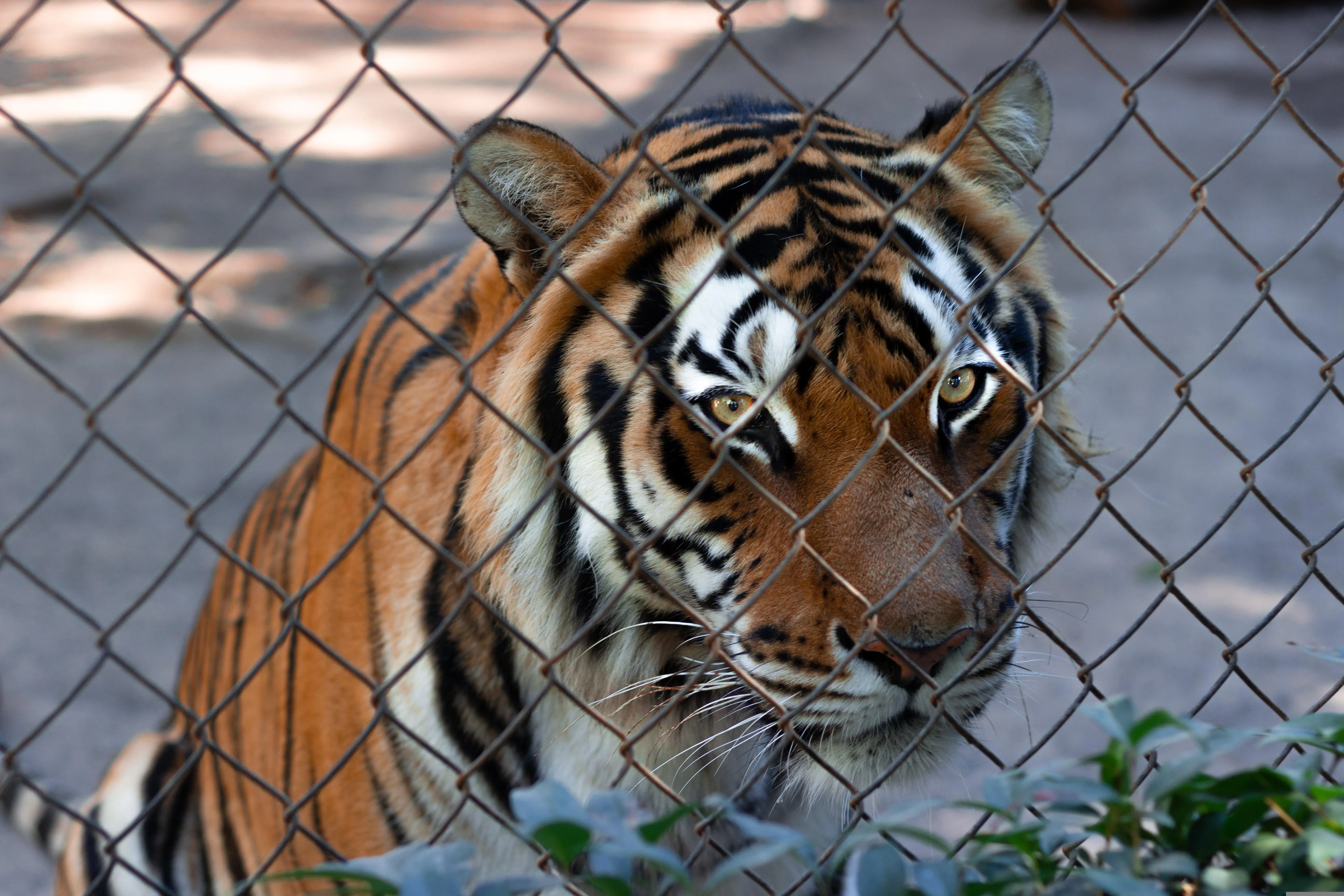
mage by ALAN DE LA CRUZ from Pixabay
The Regret That Sparked Change
Walking out of that attraction, I felt complicit. I had contributed to a system that treats wild animals as entertainment commodities rather than sentient beings deserving of dignity and freedom. My guilt was real, but it became fuel for something more important: a commitment to do better, and to help my clients to be aware as well.
That experience didn't just change how I travel. It changed why I travel.
What This Taught Me About Responsible Tourism
This wasn't the only eye-opening moment on that trip. Throughout my journey, I encountered both extremes: attractions that exploited wildlife for profit, and communities thriving because they chose conservation over commodification. The contrast was stark, and it made one truth undeniable:
Wild animals are not for entertainment. They are not photo props. They are not economic tools to extract money from tourists.
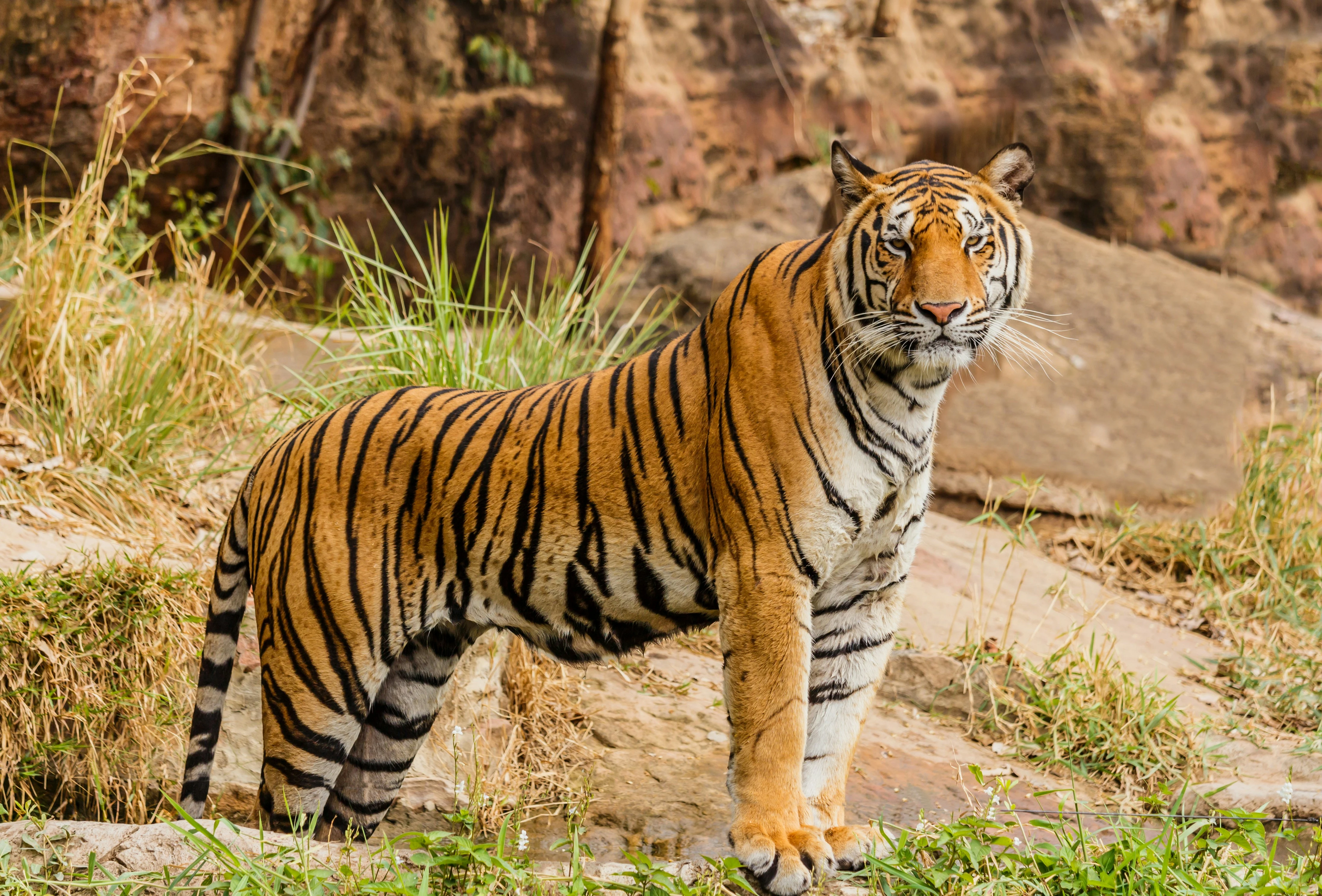
Photo by A G on Unsplash
How You Can Travel Responsibly
If you're passionate about wildlife, you don't have to avoid it, you just have to be intentional. Your choices matter.
Ask hard questions. Research sanctuaries, tour operators, and attractions thoroughly. Look beyond the reviews and ask: Are the animals in natural habitats? Do they exhibit natural behaviors? Is there hands-on interaction? Can you speak with the staff about their conservation mission?
Verify accreditation. Check if a facility is GFAS-accredited. Call and ask directly: Do you breed animals? Do guests have direct contact with animals? Do you buy/sell/trade animals? If a facility won't answer these questions clearly and transparently, that's your answer.
Support ethical alternatives. Seek out wildlife viewing experiences that prioritize observation over interaction. Community-based wildlife tours, National Parks with trained guides, and genuinely accredited rehabilitation centers often provide profound experiences without exploitation.
If you can't verify it's ethical, skip it. Sometimes the most responsible choice is saying no. Your money is your vote.
See Tigers the Way They Should Be: In the Wild
The good news? You can see tigers in their natural habitat, and it's an experience that will stay with you far longer than any captive encounter. Here are some destinations where ethical, responsible tiger viewing is possible:
India – Ranthambore National Park & Kanha National Park
Ranthambore is one of the world's best places to spot wild tigers in their natural environment. Expert local guides lead early morning and evening game drives through pristine forests where tigers roam freely. The thrill of spotting a tiger on their terms—hunting, swimming, moving through their territory—is incomparable. Kanha National Park offers similar experiences with fewer crowds and equally stunning landscapes.
Nepal – Chitwan National Park
This UNESCO World Heritage site is home to Bengal tigers in a biodiverse ecosystem. Jungle walks with experienced naturalist guides, canoe trips on the Rapti River, and stays in community-run lodges create an immersive experience while supporting local conservation efforts. The tiger sightings here feel less common but more authentic—you're truly witnessing wildlife as it exists, not as it's been arranged for tourists.
What Makes These Experiences Different
In these wild settings, tigers are living, not performing. You might not get a close-up photo or a once-in-a-lifetime selfie, but you'll get something far more valuable: the profound experience of witnessing a magnificent creature on its own terms, in its own home. That's the memory that changes you.
Why This Matters to us
At Escape Journeys, we've built our mission around this principle: travel should leave destinations better than we found them. That means we don't just book trips, we craft experiences that align with your values and support the places and communities you visit.
I share this story not to shame anyone who has visited similar attractions (I've been there), but to invite you into a different way of thinking about travel. Your adventures can be transformative and responsible. They can be thrilling and ethical. They can change your life and change the world for the better.
The tigers in that facility taught me something I'll never forget. My regret became my education, and my education became my purpose.
What will your travels teach you?
Ready to See Tigers the Way Nature Intended?
If you'd like to explore responsible wildlife experiences, from tiger-tracking in India to jungle immersion in Nepal, 'm here to help you plan an adventure that aligns with your values. Let's create a journey where you witness these magnificent creatures thriving in the wild, and your presence supports their protection.