
Cuba Travel: Understanding the Reality Beyond the Headlines
A Responsible Travel Advisor's Perspective
We're getting a lot of questions about Cuba lately, and I wanted to address it. It's really not just about whether you can go, but whether you should, and what actually happens when you do.
Let's dig into the real story behind Cuba travel right now.
The Government Advisory: What's Really Happening
The Canadian government has issued an "Avoid Non-Essential Travel" advisory for Cuba. Now, some might say, “This is merely an exaggeration or an overabundance of caution." But, daily power outages are affecting much of the country. While resorts have generators, fuel shortages may impact their reliability. Transportation across the island is extremely challenging, and basic services can be disrupted without notice.
This is a real, not a travel industry exaggeration.
The Insurance Issues That Are Very Real
Here's what keeps us up at night as advisors: if you travel to Cuba despite the government's "Avoid Non-Essential Travel" advisory, most standard travel insurance will not cover you.
Let that sink in.
Medical emergencies, trip interruptions, cancellations due to power outages or transportation failures. You would be personally liable for all of it. Given the uncertainty around medical services, electricity, and transportation disruptions, travelling uninsured is genuinely risky. We cannot, in good conscience, send clients into that situation.
Why Canadian Airlines Pulled Out
All three major Canadian carriers—Air Canada, WestJet Airlines, and Air Transat—have indefinitely suspended flights and vacation packages to Cuba. These aren't small decisions made lightly. Airlines have deep operational knowledge and real-time data. When they step back, it signals something serious is happening. It makes no sense for an airline to continue flights to a destination where a) there is an “avoid non essential travel” warning, b) clients won't be covered by insurance, or c) clients could be stranded causing them to have to send repatriation flights.
The Facebook Travel Advice Trap
This is one thing that honestly astounds me. The travel advice people take off of social media. We see it all the time in travel groups and Facebook: "It's totally fine! I just got back!" or "Everyone's overreacting, I had an amazing time!" or even “Just because the Canadian Airlines aren't flying there doesn't mean you can't go”.
Please don't base your travel decisions on social media feedback. Here's why it's unreliable:
People who had a good experience are more likely to post on a page about why you should travel to Cuba about it than those who faced real challenges (confirmation bias is real). Let's face it, they aren't going to say “there was an advisory but I went anyway and it was horrible”.
A smooth resort experience doesn't reflect what's happening in the broader country. Could you go and have a good experience? Sure, but what if you don't. No air ambulance home, no government help if you are stranded.
Anecdotal stories don't account for individual risk tolerance, insurance implications, or timing
Your travel safety and financial protection are too important for crowd-sourced opinions. Trust official government advisories, travel insurance providers, and professional travel advisors who follow these situations daily.
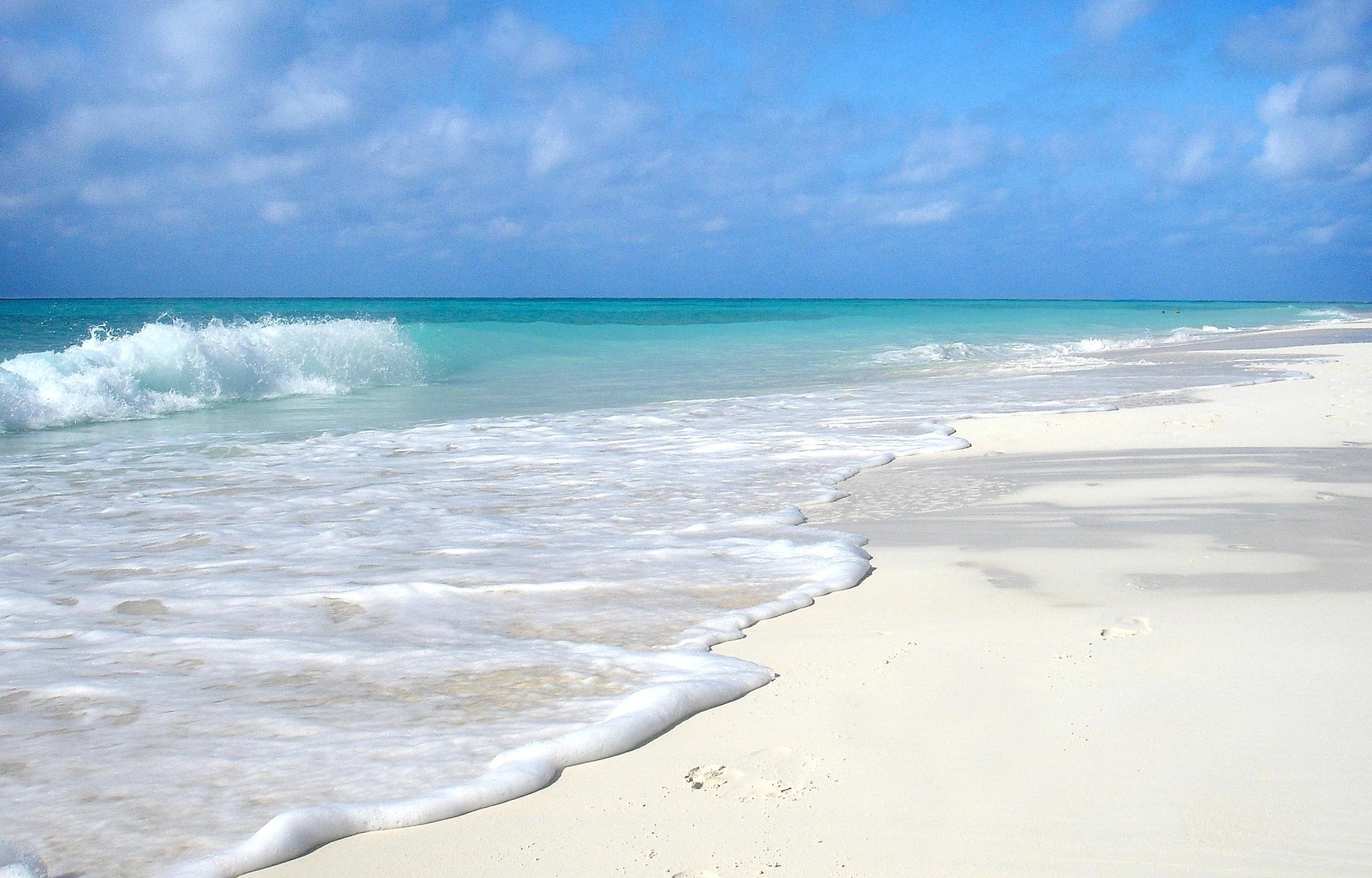
Image by gabrielmbulla from Pixabay
The Resort Vacation Illusion
Here's where it gets complicated, and it's something I think about constantly.
I want to start by saying this isn't an anti All Inclusive Resort piece. There is a place for them and sometimes you just need to relax on the beach and chill. However, many travellers believe that vacationing at an all-inclusive resort in Cuba helps the local community. I mean, if I'm travelling to a destination that should benefit the local people right? The reality is more layered.
Large resorts in Cuba operate in a largely self-contained bubble. They import their own resources, maintain their own infrastructure, and function somewhat independently from the local economy. Yes, individual resort workers, bartenders, housekeeping staff etc. may benefit from tips and guest interactions. But the resort system itself? It consumes significant resources (fuel, food, water, electricity) at a time when communities outside the gates are facing severe shortages.
Imagine enjoying unlimited electricity, unlimited hot water, and unlimited food while locals outside the resort are rationing both electricity and food. That's the reality of the all-inclusive model during a crisis.
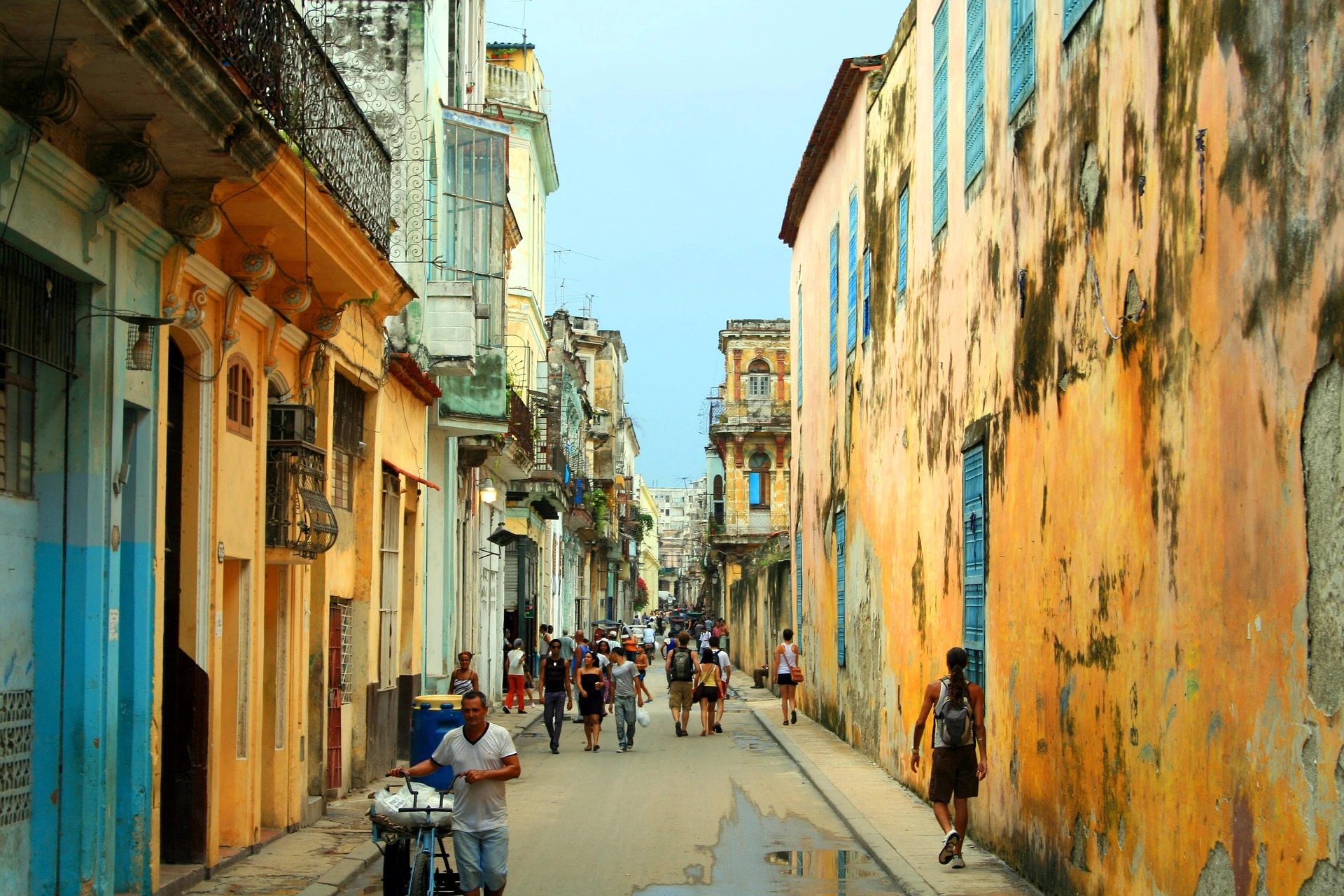
Image by ansalmo_juvaga from Pixabay
How to Actually Benefit the Cuban People When We Are Able to Visit Again
Here's the harder truth: We keep hearing that travellers want to visit Cuba to support the Cuban people. Now, I'm not saying relaxing at a 5 star resort is bad, not at all. But, we need to ask ourselves, if we are wanting to visit Cuba to support the Cuban people, do our dollars spent on resort packages do that? Or, do they stay within the resort system?
To actually support local communities, here are some considerations:
Stay at casas particulares (locally-owned bed and breakfasts run by Cuban families)
Eat at local restaurants and street vendors instead of resort dining
Hire local guides for activities and tours
Shop at local markets and independent vendors
Book experiences directly with local operators
When your money flows to these local businesses instead of multinational resort corporations, it goes directly into Cuban families' pockets. That's the difference between tourism that benefits the locals and tourism that doesn't.
This is what responsible, sustainable travel looks like. To be honest, this can be said about many destinations but that is for a different story.
Where Escape Journeys Stands on Cuba
Cuba is a beautiful destination with warm, resilient, and generously spirited people.
The current conditions, combined with government advisories, insurance gaps, airline suspensions, and systemic shortages, make it impossible for us to recommend Cuba with conscience. We won't compromise your safety or our values just to get a booking.
But I'm hopeful about the future. I hope Cuba will stabilize and open up again. When that happens, when it becomes a viable, safe, and insurable destination, I'll happily be there to help clients experience it.
When that day comes, I hope you'll remember this conversation and choose experiences that directly benefit the Cuban people you meet.
Alternative Caribbean & Central American Experiences
Right now, we're channeling our energy into helping you discover other incredible destinations where:
Your travel dollars directly support local families and entrepreneurs
You can engage with authentic communities without resort bubbles
You have full insurance coverage and complete peace of mind
The operating environment is stable and predictable
You can practice responsible, sustainable tourism right now
Whether you're drawn to other Caribbean islands, Central America, or somewhere totally different, let's find a destination that aligns with your values and travel style.
Ready to Explore Your Next Adventure?
If you have questions about Cuba or want to explore alternatives that let you travel responsibly, reach out. Let's find your next adventure!
By: Heather Folkins
Meaningful Travel Advisor