
At The Same Table
Living in rural Alberta, I know firsthand how much of a staple meat is to the local culture and dinner table. I’ve been a committed vegetarian for 10 years, while my husband eats mostly plant-based at home with me but loves to try local meat dishes when we travel. On top of that, we often travel in groups with friends and family who are traditional meat-eaters.
When you travel with a mixed group, the big travel question always pops up: How do we explore local food culture together without anyone feeling left out or compromising on a great meal?
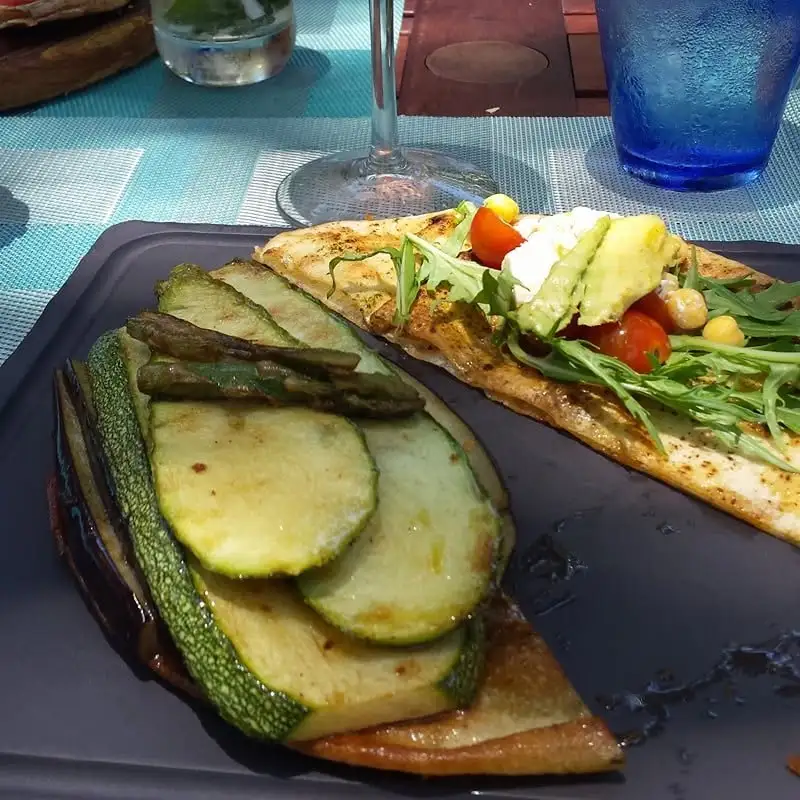
Over years of travelling the world together, we’ve learned that travelling with different food preferences doesn’t mean separate restaurants, group arguments, or bland afterthought salads. In fact, some of the best culinary memories happen when you look for places where different food styles sit naturally side-by-side.
Here is how we explore the world, eat exceptionally well, and share the same table, no matter what we're all craving.
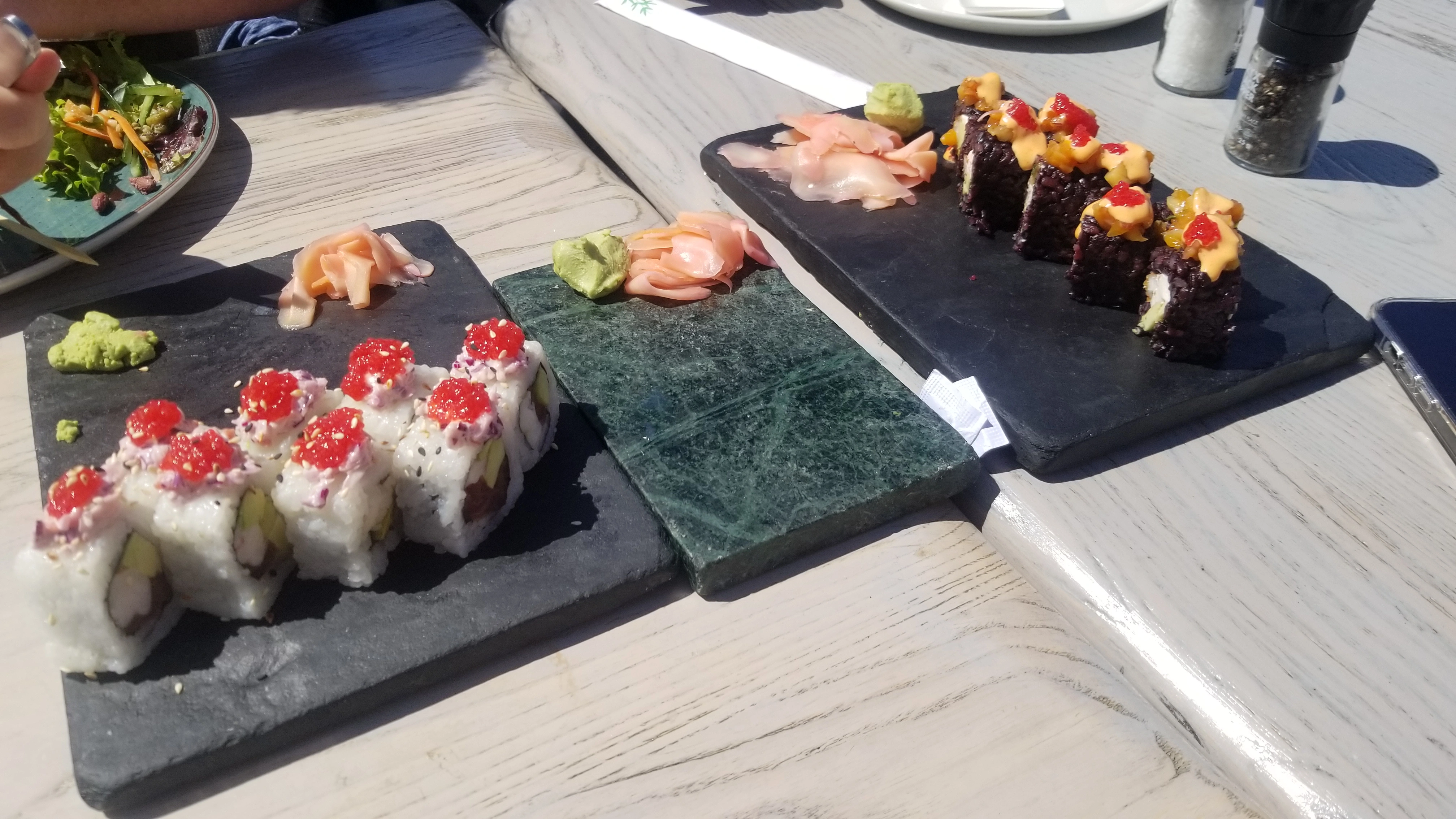
1. Finding Destinations Where Everyone Wins: The Magic of Ubud
When people ask me about the easiest, most inspiring places to travel as a vegetarian, Ubud in Bali is always at the top of my list.
Ubud is a global sanctuary for food lovers. What makes it so brilliant for mixed-diet groups is that the culinary scene celebrates fresh, whole, vibrant ingredients above all else. You can sit down at a beautiful open-air warung or cafe where meat-eating travel companions can happily try a traditional, spice-infused local dish like Ayam Betutu, while right across the table you’re diving into a rich jackfruit curry, fresh Gado-Gado with peanut sauce, or crispy tempeh made local that morning.
Nobody gets a "dumbed-down" version of a meal. Everyone gets a world-class dish made with pride.
2. The African Surprise: Sharing the Safari Table
Another destination that often surprises people is Africa. Many assume that safari travel or exploring African nations with a group means navigating heavy, meat-exclusive menus.
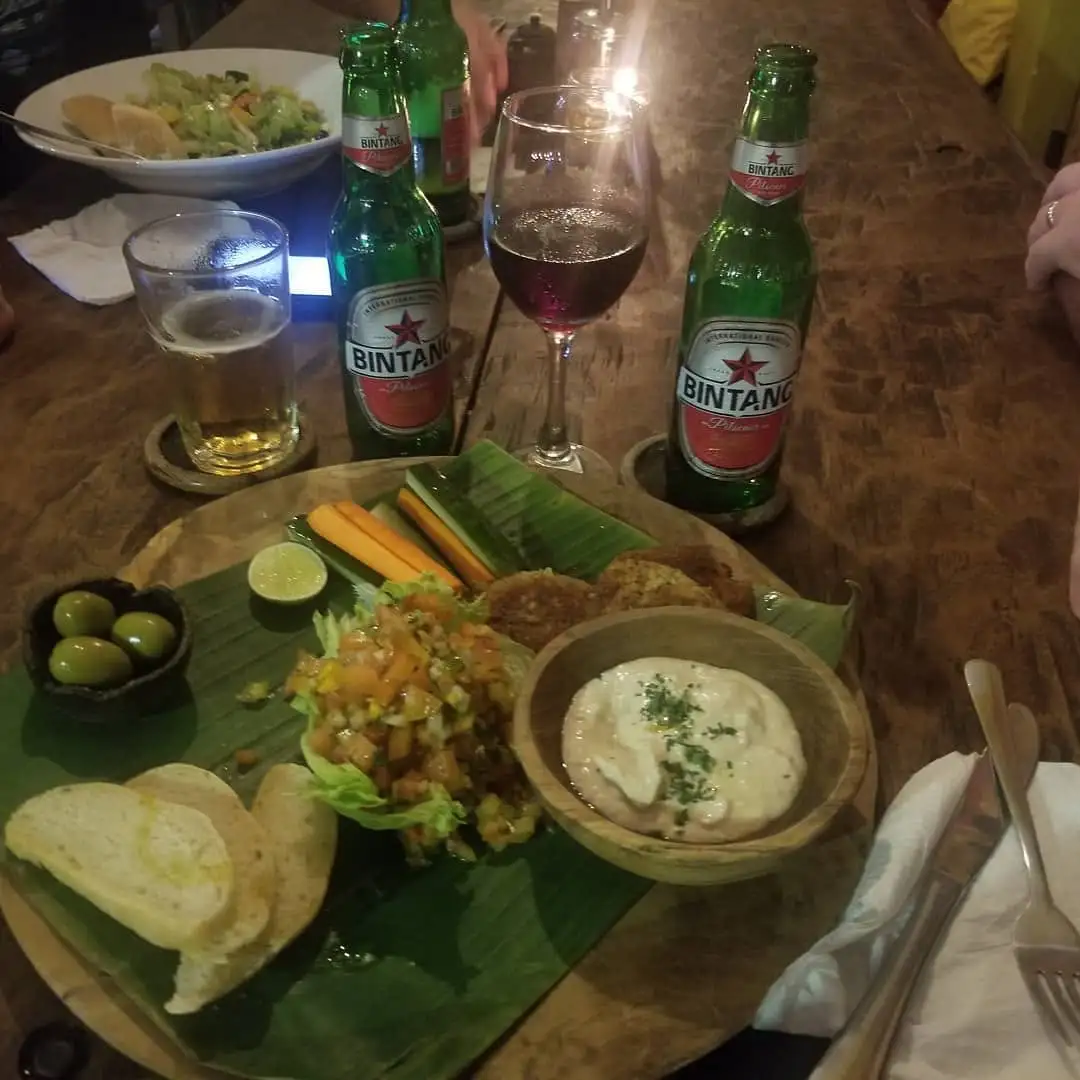
Our own travels there proved quite the opposite. African hospitality is deeply rooted in abundance and sharing. At safari lodges and local eateries across East and Southern Africa, meals are often served family-style or feature vast spreads of slow-simmered bean and coconut stews, fragrant rice, roasted root vegetables, and fresh local greens. Friends and family can sample regional meats to their heart's content, while plant-based travellers enjoy some of the most comforting, naturally flavorful meals on the planet—all off the same spread.
3. Seeking Out "Feast & Share" Food Cultures
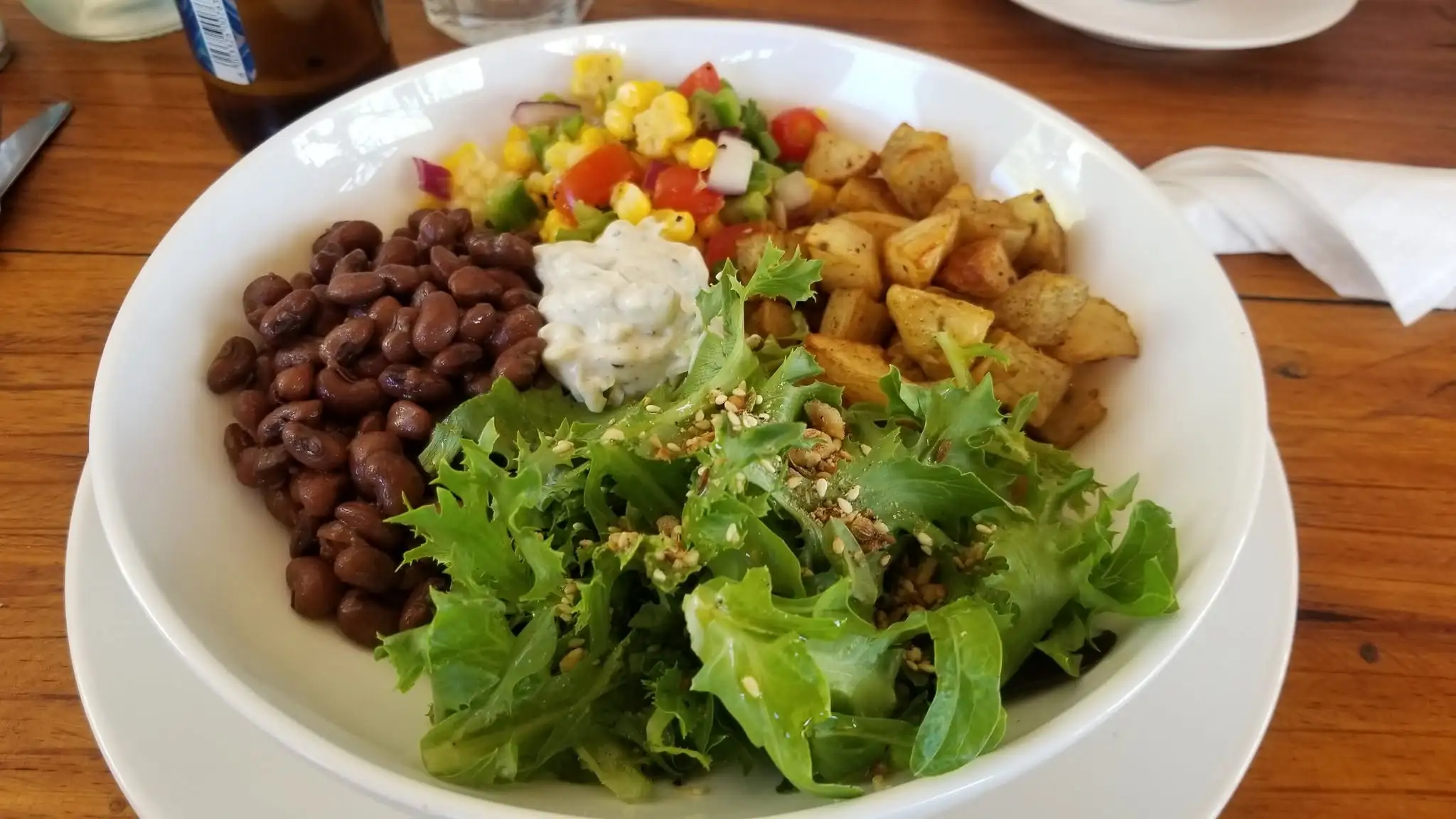
When planning where to eat with a group where everyone has different appetites, look for regional cuisines that naturally lean into small plates or shared spreads.
Middle Eastern & Mediterranean Meze: A table overflowing with warm flatbreads, creamy hummus, roasted eggplant, falafel, and crisp salads is a dream for plant-based eaters—while meat-eaters can easily add grilled skewers, kebabs, or regional specialties to the center of the exact same table.
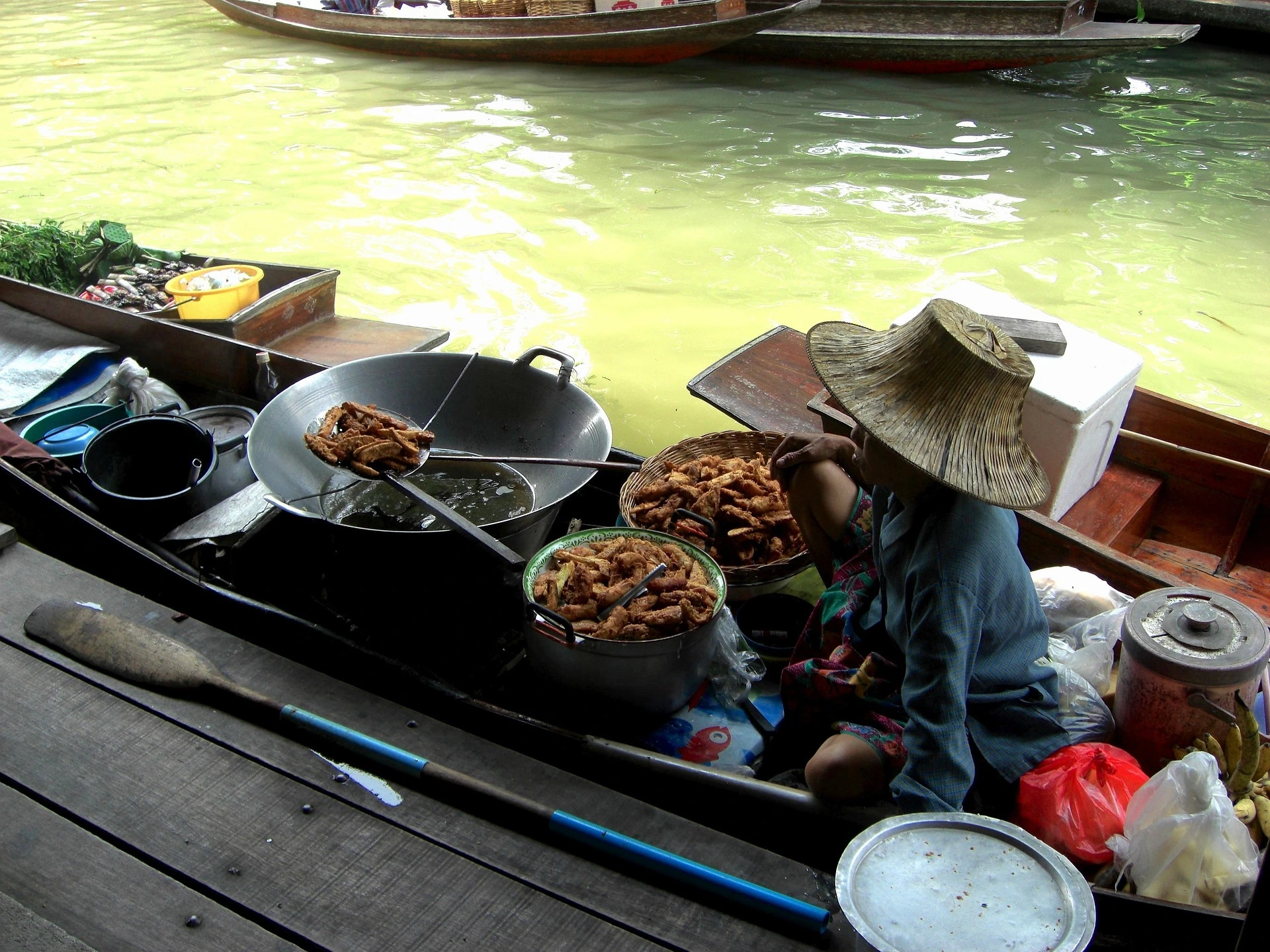
Southeast Asian Night Markets: Food markets are the ultimate crowd-pleaser for groups. Walking through a vibrant market together means meat-lovers can queue for local skewers or braises from one vendor, while steps away you can order fresh papaya salad, noodle bowls, or grilled vegetable skewers. You all gather at a shared bench and enjoy the lively atmosphere together.
4. Food as Connection, Not Division
At the end of the day, food is one of the best ways to connect with a culture and with the people you love. Travel isn't about getting everyone to order the exact same thing; it’s about sitting around the same table after a long day of exploring, raising a glass, and appreciating the incredible variety the world has to offer.
Whether you're vegan, strictly vegetarian, flexitarian, or a dedicated meat-lover, there is always room for everyone at the same table.

If you live in rural Alberta, you know how central meat is to the local culture and dinner table. I live here, and I share my life with a husband who enjoys a great meal—he’s not a strict vegetarian, but he eats plant-based most of the time at home and loves to dive into authentic local dishes when we travel. On top of that, we often travel in groups with friends and family who are traditional meat-eaters. Meanwhile, I’ve been a committed vegetarian for years.
When you pack your bags with a mixed group, the eternal travel question always pops up:How do we explore local food culture together without anyone feeling left out or compromising on a great meal?
Over years of travelling the world together, we’ve learned that travelling with different food preferences doesn’t mean separate restaurants, group arguments, or bland afterthought salads. In fact, some of the best culinary memories happen when you look for places where different food styles sit naturally side-by-side.
Here is how we navigate the world, eat exceptionally well, and share the same table—no matter what we're all craving.
1. Finding Destinations Where Everyone Wins: The Magic of Ubud
When people ask me about the easiest, most inspiring places to travel as a vegetarian,Ubud in Bali is always at the top of my list.
Ubud is a global sanctuary for food lovers. What makes it so brilliant for mixed-diet groups is that the culinary scene celebrates fresh, whole, vibrant ingredients above all else. You can sit down at a beautiful open-air warung or cafe where meat-eating travel companions can happily try a traditional, spice-infused local dish like Ayam Betutu, while right across the table you’re diving into a rich jackfruit curry, fresh Gado-Gado with peanut sauce, or crispy tempeh made local that morning.
Nobody gets a "dumbed-down" version of a meal. Everyone gets a world-class dish made with pride.
2. The African Surprise: Sharing the Safari Table
Another destination that often surprises people is Africa. Many assume that safari travel or exploring African nations with a group means navigating heavy, meat-exclusive menus.
Our own travels there proved quite the opposite. African hospitality is deeply rooted in abundance and sharing. At safari lodges and local eateries across East and Southern Africa, meals are often served family-style or feature vast spreads of slow-simmered bean and coconut stews, fragrant rice, roasted root vegetables, and fresh local greens. Friends and family can sample regional meats to their heart's content, while plant-based travellers enjoy some of the most comforting, naturally flavorful meals on the planet—all off the same spread.
3. Seeking Out "Feast & Share" Food Cultures
When planning where to eat with a group where everyone has different appetites, look for regional cuisines that naturally lean into small plates or shared spreads.
Middle Eastern & Mediterranean Meze: A table overflowing with warm flatbreads, creamy hummus, roasted eggplant, falafel, and crisp salads is a dream for plant-based eaters—while meat-eaters can easily add grilled skewers, kebabs, or regional specialties to the center of the exact same table.
Southeast Asian Night Markets: Food markets are the ultimate crowd-pleaser for groups. Walking through a vibrant market together means meat-lovers can queue for local skewers or braises from one vendor, while steps away you can order fresh papaya salad, noodle bowls, or grilled vegetable skewers. You all gather at a shared bench and enjoy the lively atmosphere together.
4. Food as Connection, Not Division
At the end of the day, food is one of the best ways to connect with a culture and with the people you love. Travel isn't about getting everyone to order the exact same thing; it’s about sitting around the same table after a long day of exploring, raising a glass, and appreciating the incredible variety the world has to offer.
Whether you're strictly vegetarian, flexitarian, or a dedicated meat-lover, there is always room for everyone at the same table.
How does this version feel for posting on your blog or sharing with your clients?